










Kenya wants to turn its biological wealth into a new driver of growth.
The country has launched its National Bioeconomy Strategy 2026–2036, a ten-year roadmap designed to make innovation based on biological resources a driver of economic and industrial transformation.
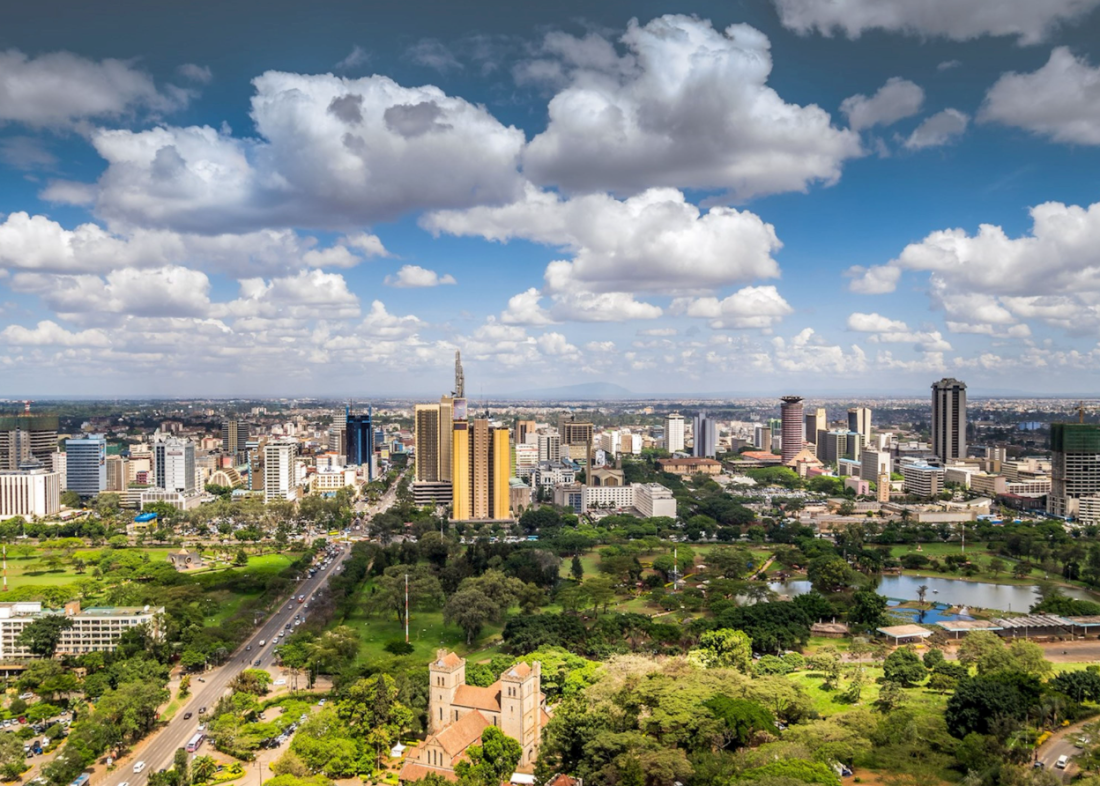
Recently presented in Nairobi by Prime Minister Musalia Mudavadi, the strategy aims to bring research, science, innovation and production closer together in order to transform scientific knowledge into industrial and commercial applications.
The objective is notably to increase the value created from the country's biological resources in several strategic sectors: agriculture, health, energy, manufacturing and biotechnology.
Transforming Biological Wealth into Jobs and Added Value
For the Kenyan government, the bioeconomy also represents a means of addressing several structural challenges. Nairobi notably intends to strengthen the country's resilience to climate change, create more economic opportunities for young people and reduce its dependence on raw material exports.
“Our ambition is clear: to transform research into solutions, innovation into entrepreneurial initiatives and Kenya's biological wealth into sustainable prosperity for our population,” said Musalia Mudavadi.
The strategy thus aims to encourage the emergence of higher value-added activities by promoting the local processing of resources and the development of new industrial value chains.
47 Industrial Parks to Support Local Processing
The launch of this roadmap comes as Kenya is simultaneously accelerating the development of its industrial sector. The government notably plans to create 47 industrial parks across the country, with the aim of supporting the local processing of products from the various counties.
The bioeconomy therefore complements a broader industrial policy aimed at gradually shifting Kenya from an economy more focused on exporting raw materials to a model that prioritizes processing, innovation and local production.
This ambition is part of the national economic transformation programme, which aims to increase the manufacturing sector's contribution to GDP from 7% currently to 15% in 2027, then to 20% in 2030.
With its 2026–2036 strategy, Nairobi is therefore relying on the convergence of science, biological resources and industry to create new sources of growth and strengthen the competitiveness of the Kenyan economy over the next decade.