








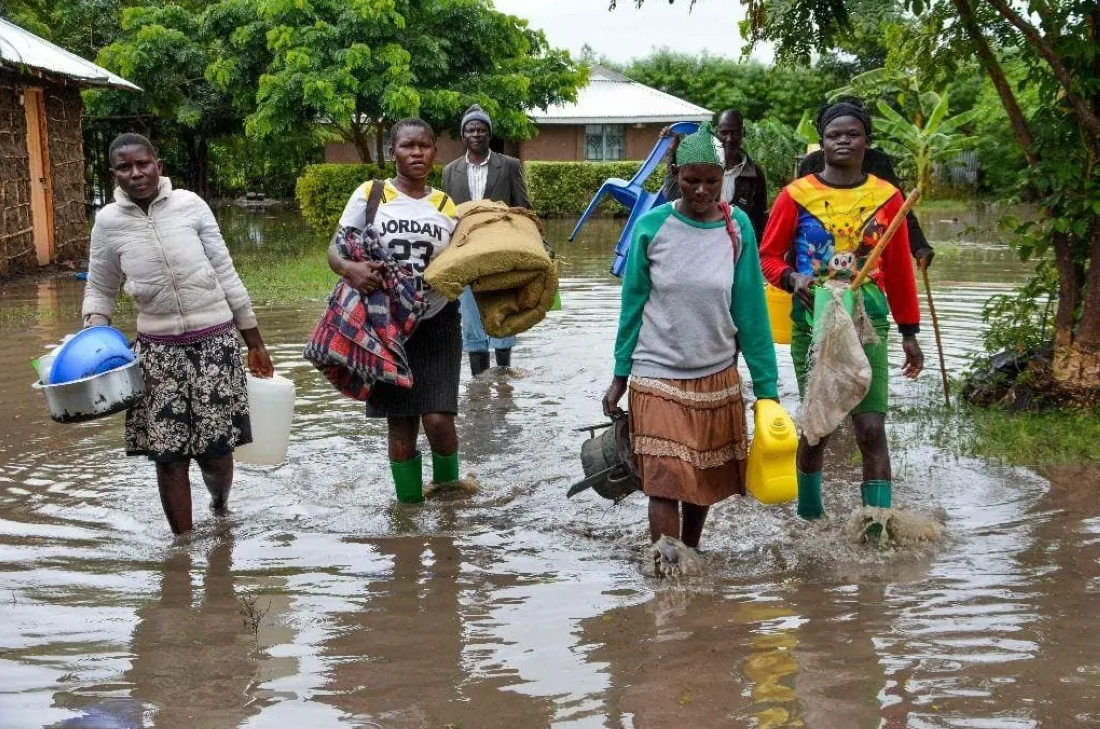


A "super El Niño" event, considered potentially imminent, could cost the most exposed African countries between $10 billion and $20 billion and trigger large-scale population displacement.
The warning was issued by Anthony Nyong, Director of the Climate Change and Green Growth Department at the African Development Bank (AfDB), in an interview with Reuters.
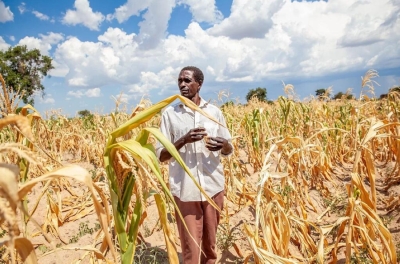
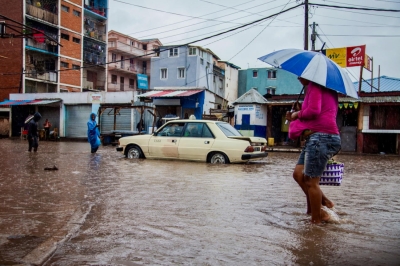
According to him, if Pacific Ocean temperatures continue to rise at the current pace, El Niño could become one of the strongest ever recorded. The climate phenomenon is generally associated with prolonged droughts, devastating floods, and severe storms, with major consequences across several regions of the continent.
Beyond the threat to food security and water resources, the impacts could also weaken public finances and the banking sector. Damage to infrastructure could make it more difficult for countries to repay loans taken out for reconstruction.
"This single event could reduce the GDP of the hardest-hit countries by an average of 1% to 2%, representing an estimated loss of between $10 billion and $20 billion across the continent," Anthony Nyong said.
The first effects are already being felt. African farmers have reportedly lost nearly $330 million in income this year, while the fisheries sector could suffer significant impacts due to rising sea temperatures and increasingly intense storms.
Among the countries considered most vulnerable are Sudan, South Sudan, the Democratic Republic of the Congo, Somalia, Mali, Burundi, and Nigeria, which could face particularly severe consequences.
The El Niño–Southern Oscillation (ENSO) is a natural climate cycle characterized by an abnormal warming of surface waters in the equatorial Pacific Ocean. It alters weather patterns worldwide and has a major influence on rainfall, temperatures, and the frequency of extreme weather events.