








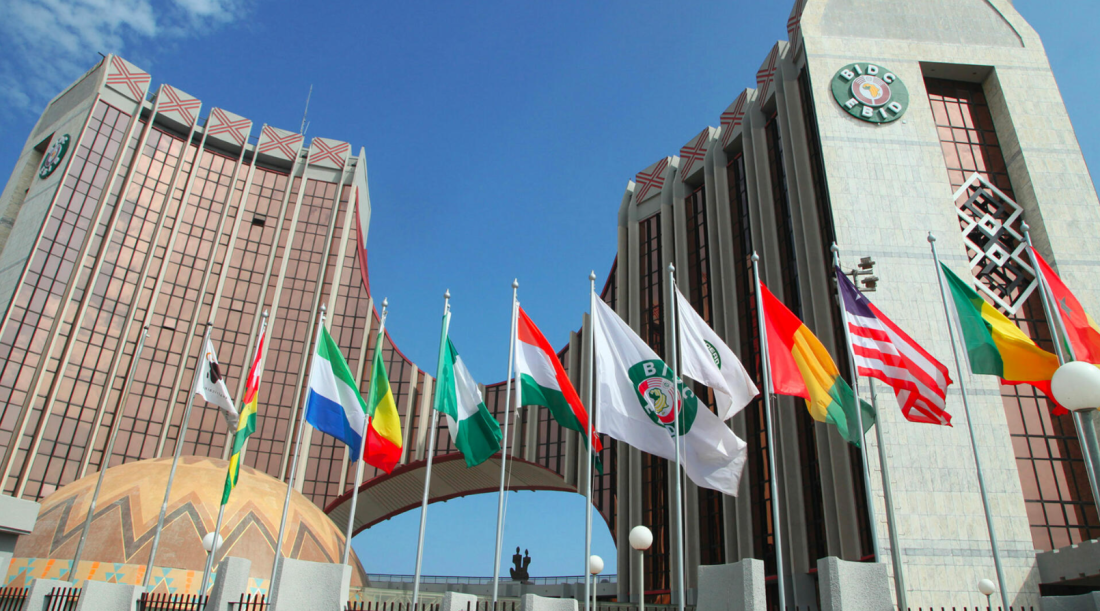


The West African economy is expected to maintain its momentum over the coming years. According to the latest forecasts from the ECOWAS Bank for Investment and Development (EBID), regional growth is projected to reach 4.9% in 2027, following 4.8% in 2025, up from 4.7% in 2024.
In its report entitled "West Africa Development Outlook: Distant Turbulence, Familiar Shocks," the institution highlights a gradual improvement in key macroeconomic indicators. Lower inflation, healthier public finances, and a stronger external position point to a more stable recovery across the sub-region.
Average inflation fell to 16.8% in 2025, a decline of nearly nine percentage points compared with the previous year. This improvement is mainly attributed to lower food and energy prices, as well as greater stability of national currencies.
On the fiscal front, the public deficit narrowed from 3.7% of GDP in 2024 to 2.6% in 2025, driven by stronger revenue collection, tighter public spending management, and lower debt servicing costs. At the same time, public debt declined to 49.3% of GDP, while the current account surplus strengthened from 0.3% to 1.8% of GDP.
Despite these encouraging performances, the EBID warns of a worrying reality: working poverty continues to worsen across West Africa. This highlights the limits of growth that remains insufficiently inclusive, with its benefits still failing to reach a large share of the population.