










In Malawi, cuisine reflects the story of a people deeply connected to their land, agriculture, and traditions. At the heart of this culinary identity is Nsima, the country's iconic staple and one of the cornerstones of the Malawian diet.
Made primarily from maize flour, Nsima accompanies almost every meal in Malawi. Simple in its ingredients yet rich in cultural significance, it represents far more than food—it symbolizes sharing, heritage, and the bond between generations.
A Heritage at the Heart of Malawian Culture
Nsima is deeply rooted in the traditions of the Malawian people, where maize plays a central role in both agriculture and everyday life.
In many households, preparing Nsima is a culinary tradition passed down from one generation to the next. Its preparation requires skill: maize flour is gradually mixed with hot water and stirred continuously until it forms a thick, smooth, and elastic dough.
Usually prepared in a large pot, the process is an important family ritual that brings relatives together around a shared meal.
A Simple Dish with Many Accompaniments
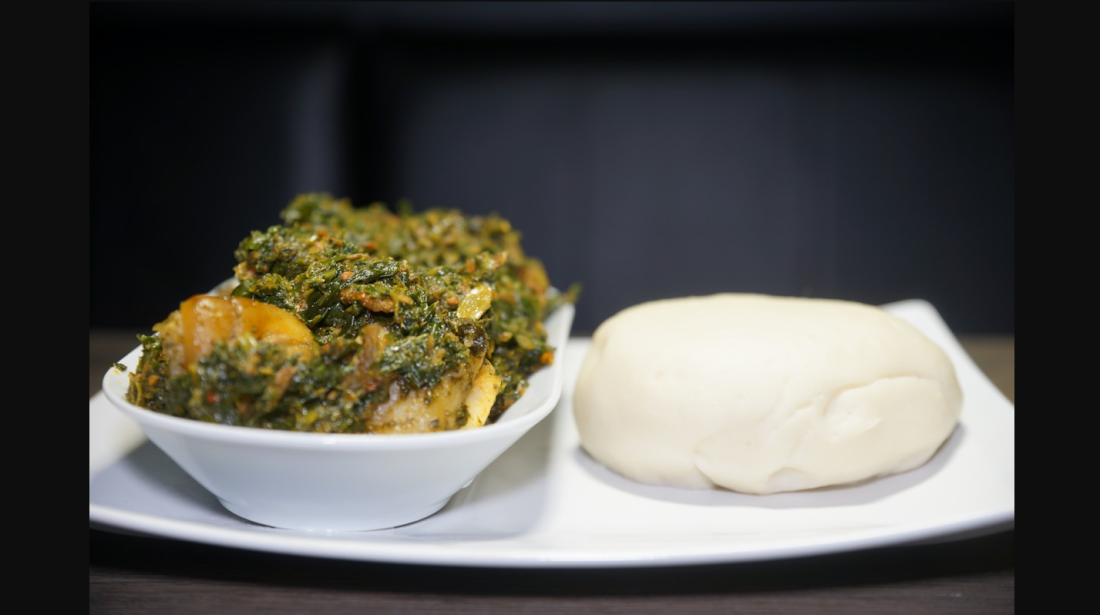
Although modest in appearance, Nsima is remarkably versatile and pairs with a wide variety of dishes. It is typically served in hand-shaped portions or dumplings.
Traditionally, it is accompanied by sauces made with local vegetables, beans, fish, or meat. Among the most popular accompaniments is chambo, a fish from Lake Malawi, as well as dishes prepared with flavorful leafy greens.
The contrast between the mild taste of Nsima and the rich, savory sauces served alongside it makes for a balanced and widely appreciated meal.
Lake Malawi Fish: Nsima's Perfect Companion
Malawi, often referred to as "the Warm Heart of Africa," is home to one of the continent's largest lakes, an essential source of food for its population.
Fish, especially chambo, plays a key role in the national cuisine. Whether grilled, fried, or cooked in sauce, it is frequently served with Nsima during family meals and special occasions.
This combination of maize and fish perfectly illustrates the close relationship between Malawian cuisine and the country's natural environment.
A Symbol of National Identity
Beyond its nutritional value, Nsima represents an important part of Malawi's national identity. It is found in both urban households and rural villages, accompanying everyday meals as well as major celebrations.
Sharing a plate of Nsima is a way of strengthening social bonds and preserving a shared tradition. In Malawian culture, eating together around this dish symbolizes hospitality and respect for tradition.
Nsima and Modern Culinary Trends
As interest in African cuisine continues to grow worldwide, Nsima is attracting increasing attention from chefs and food enthusiasts.
Some chefs are reinventing its presentation or incorporating it into contemporary creations while preserving its authenticity and cultural importance.
Though humble in appearance, Nsima remains one of Malawi's greatest culinary ambassadors. Through this simple maize-based dish, a story of land, family, and tradition continues to be passed down from one generation to the next.