








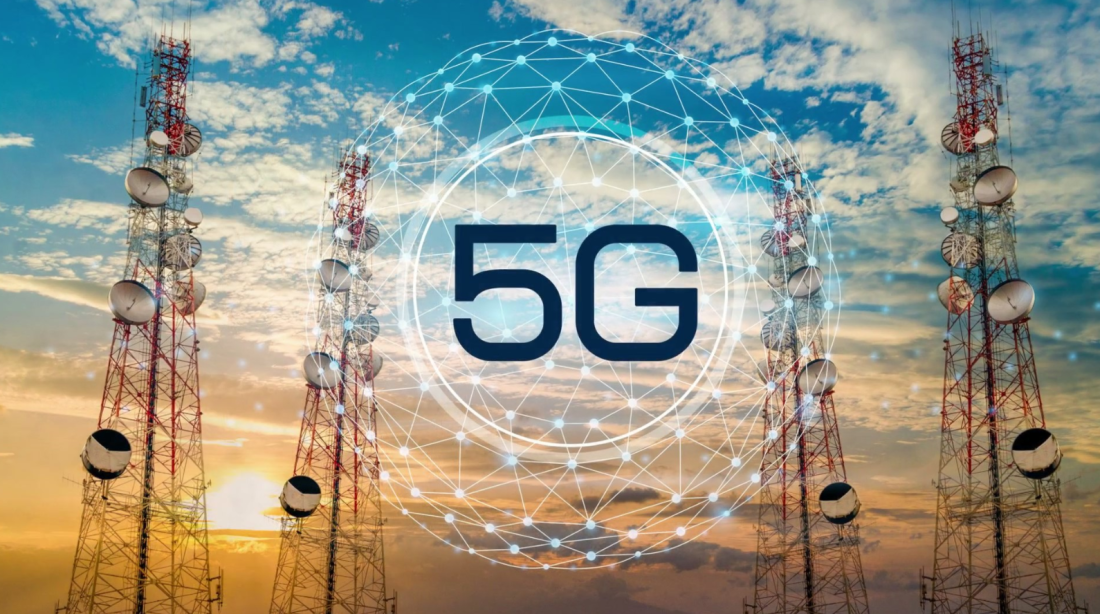


Mozambique is accelerating its digital transformation with an ambitious goal: achieving nationwide 5G coverage by 2030. The authorities aim to make this next-generation technology a driver of economic development, digital inclusion, and the modernization of services across the country.
This vision was presented by Mozambican President Daniel Francisco Chapo during the opening of the 5th National Communications Conference on June 22, 2026. The head of state announced the allocation of radio frequencies to the country's main mobile operators, a decisive step toward the large-scale rollout of 5G.
According to the proposed timeline, provincial capitals, special economic zones, and major tourist hubs are expected to be covered by 2027. The expansion will then continue into densely populated regions before reaching all districts and administrative posts by 2030.
For the authorities, this strategy is part of a broader digital inclusion agenda aimed at reducing regional disparities. The objective is to guarantee citizens, regardless of where they live, equal access to education, information, digital services, and economic opportunities.
However, several major challenges could slow this ambition. The cost of deploying 5G remains particularly high. According to Ericsson estimates, building a nationwide network may require investments of several billions of dollars, in addition to further spending needed to extend coverage effectively.
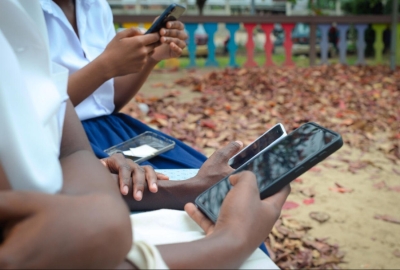
The affordability of devices is also a significant obstacle. According to World Bank data, nearly 80% of Mozambicans did not own a smartphone in 2024, limiting access to 5G-compatible services.
The cost of connectivity represents another challenge. Data from the International Telecommunication Union (ITU) show that mobile internet remains expensive relative to the average income, while fixed broadband is still beyond the reach of many households.
Beyond infrastructure, the success of the 5G strategy will also depend on the development of digital skills, improved literacy, the availability of locally relevant content, and the reliability of electricity networks needed to support telecommunications infrastructure.
Balancing technological ambition with structural challenges, Mozambique has embarked on a race against time to make 5G a genuine tool for economic and social transformation by the end of the decade.