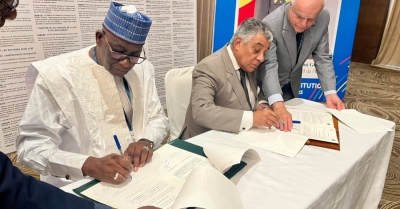











Niger is continuing its efforts to make handicrafts and tourism key drivers of economic development and regional integration. On June 9, 2026, the Minister of Handicrafts and Tourism, Agaichata, announced the signing of a Memorandum of Understanding between the member states of the Confederation of Sahel States (AES) aimed at promoting and developing the handicrafts sector across the community.
According to the minister, the agreement will facilitate access for Nigerien artisans to markets in Burkina Faso and Mali through the organization of trade fairs, professional exhibitions, and other exchange platforms at both national and confederal levels. The objective is to enhance the visibility of handicraft products and expand business opportunities for sector stakeholders.
On the tourism front, Mrs. Agaichata stated that discussions are underway with industry professionals regarding the organization of a tourism fair bringing together AES member countries. Although no formal agreement has yet been reached in this area, the authorities are seeking to strengthen regional cooperation in order to better showcase the cultural and natural wealth of member states.
The minister also emphasized that her department follows a results-based management approach through an annual performance program that includes monitoring and evaluation indicators. This strategy aims to measure the effectiveness of implemented actions and guide public policies supporting sector development.
Among the main priorities are the completion of the Rural Handicrafts Development Support Project (PRODAR), the development of tourist sites, administrative modernization, infrastructure improvement, the promotion of sustainable tourism, and the strengthening of national and international partnerships.
To improve the marketing of handicraft products, the ministry is also working with several specialized institutions, including Niger Poste, to develop e-commerce, train artisans in digital tools, and facilitate the shipment of their products to new markets.
Youth employment is another key pillar of the government’s strategy. According to the minister, the handicrafts sector offers numerous job opportunities, particularly in construction and public works-related trades, which could attract young graduates seeking professional prospects.
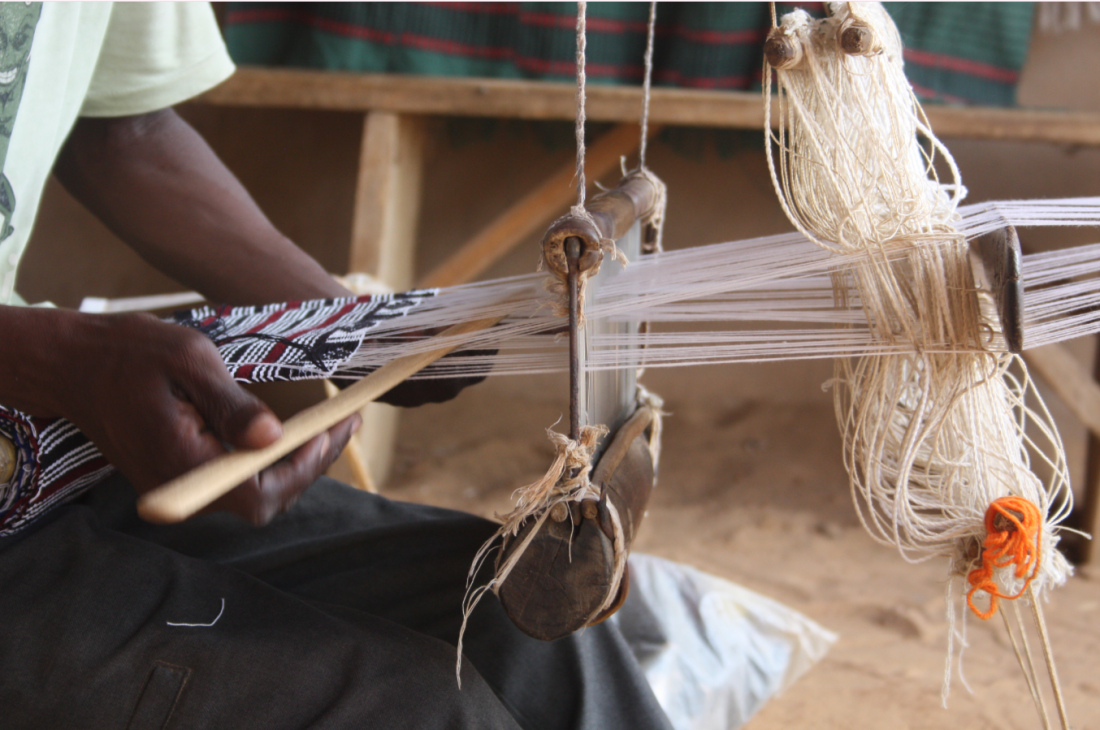
Women also play a central role in the ministry’s programs. More than 4,000 women benefited from support during the latest edition of the International Handicrafts Fair for Women (SAFEM). Training sessions were also organized for women weavers as part of the National Forum for Women’s Empowerment (FONAF), while 1,535 artisans participated in capacity-building programs, the majority of whom were women.
As part of efforts to modernize the tourism sector, the minister announced the upcoming launch of a digital platform dedicated to promoting Niger’s tourist destinations and attractions. The portal will enable visitors to easily access information on the country’s cultural, historical, and natural sites.
Reaffirming the strategic importance of tourism and handicrafts for the national economy, Mrs. Agaichata stressed that these sectors are essential drivers of cultural identity promotion, job creation, and local development. She also encouraged citizens to take part in upcoming tourism caravans designed to showcase Niger’s wealth and potential.