











Zimbabwe has reached a major milestone in the development of specialized medicine with the successful completion of its first Deep Brain Stimulation (DBS) and Spinal Cord Stimulation (SCS) procedures, two cutting-edge techniques used to treat complex neurological disorders.
The operations, carried out on May 28 and 29 in Harare, were led by Zimbabwean neurosurgeon Nathaniel Zimani, with technical support from a Chinese medical team on a mission in the country.
According to health authorities, the two patients who underwent the procedures are in stable condition and continue to recover satisfactorily under post-operative care.
Considered among the most advanced neuromodulation technologies, deep brain stimulation and spinal cord stimulation are used to treat conditions that often do not respond to conventional therapies. They offer new treatment options for patients suffering from Parkinson’s disease, dystonia, drug-resistant epilepsy, severe chronic pain, and certain complications resulting from strokes.
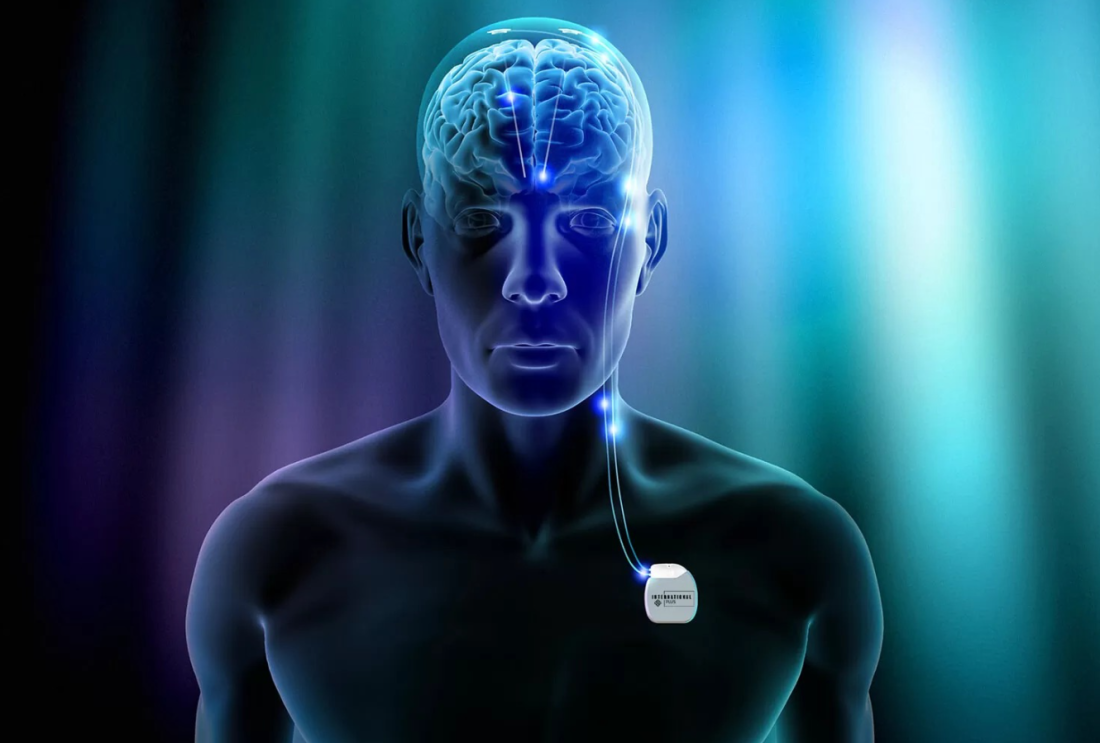
Deep brain stimulation involves implanting electrodes into specific areas of the brain to regulate abnormal neural activity. Spinal cord stimulation, meanwhile, uses electrical impulses to reduce persistent and debilitating pain.
Until now, Zimbabwean patients requiring these highly specialized treatments had to travel abroad, often at costs beyond the reach of most citizens.
For Chinese neurosurgeon Chen Yanliang, who participated in the operations, this achievement helps bridge a significant technological gap and marks a new stage in strengthening Zimbabwe’s neurosurgical capabilities.
Thanks to this breakthrough, Zimbabwe joins the small group of African countries capable of providing advanced neuromodulation therapies locally, reducing dependence on medical treatment abroad.
The procedures also represent the first official deployment in Africa of a neuromodulation technology developed by Tsinghua University and commercialized by Beijing PINS Medical Co.
According to program officials, the equipment meets international standards while remaining more affordable than some Western alternatives. This could help expand access to high-tech neurological care in low- and middle-income countries.
This medical milestone marks a turning point for Zimbabwe’s healthcare system and opens new prospects for the treatment of neurological diseases across Africa.