








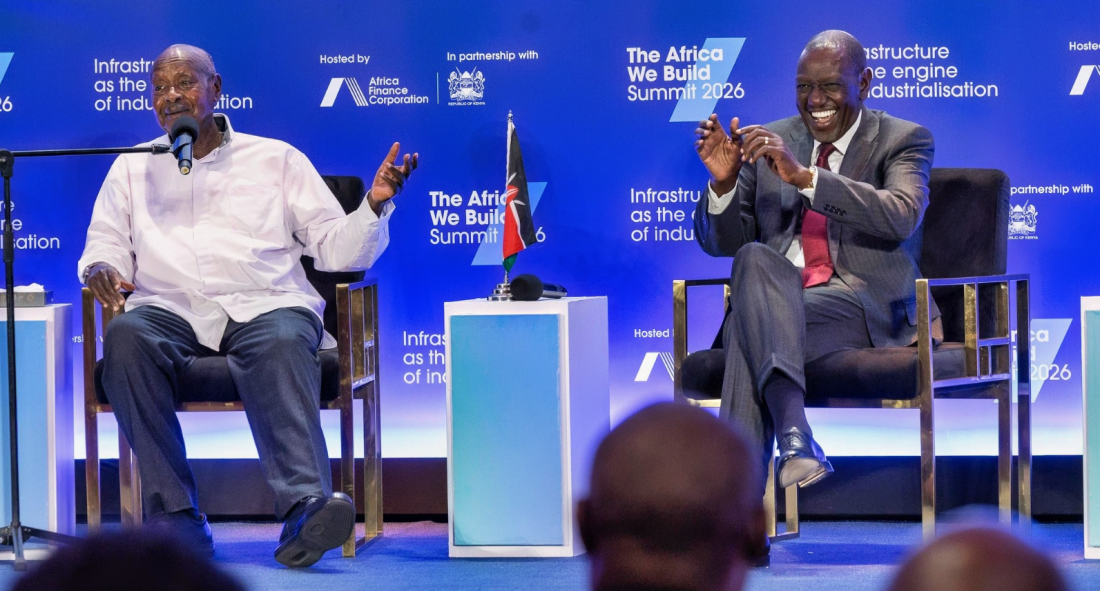


The conflict in the Middle East has exposed Africa’s vulnerability in fuel supply, participants noted on Thursday in Nairobi during the “Africa We Build” summit, which focused on infrastructure financing.
Each year, Africa imports goods worth around $230 billion, nearly 70% of which consists of fuel, along with food products, plastics, and steel, according to participants citing a report by the Africa Finance Corporation (AFC), a pan-African financial institution.
Fuel imports, estimated at 74 million tonnes in 2023, are expected to rise to 86 million tonnes by 2040, the report states. It highlights the fragility of supply chains, particularly in East Africa, which faces several bottlenecks.
Kenyan President William Ruto, who opened the conference, announced that East African countries are currently considering a joint oil refinery project to be located at the Tanzanian port of Tanga. This initiative aims to reduce the region’s dependence on imported refined petroleum products, mainly from the Middle East—a situation that exposes local economies to supply disruptions and price volatility.
“We will establish a shared refinery in Tanga for the benefit of all. It will process oil from the DRC, Kenya, South Sudan, and Uganda,” he said.