








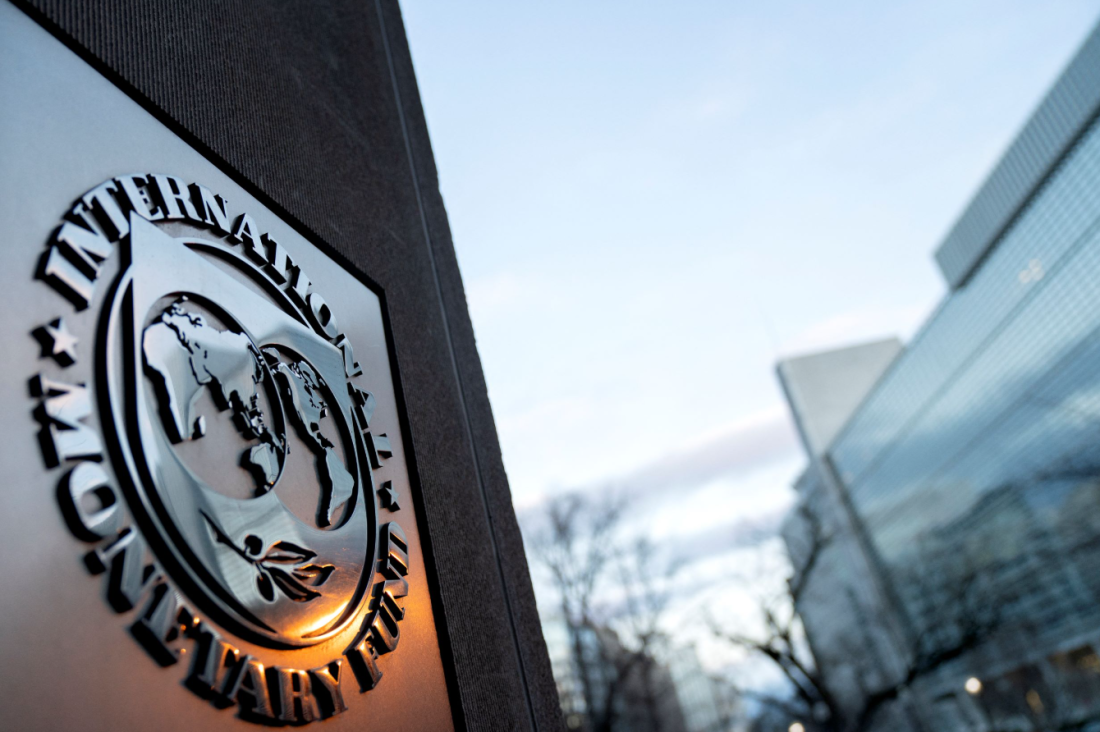


Economic growth in sub-Saharan Africa is expected to reach 4.3% in 2026, according to the latest forecasts from the International Monetary Fund (IMF). This figure is slightly lower than projections made before the geopolitical tensions in the Middle East, reflecting a more uncertain global economic environment.
In its report published during the IMF and World Bank Spring Meetings, the institution notes that the region is entering 2026 on a more stable footing, following a year of significant economic adjustments in 2025.
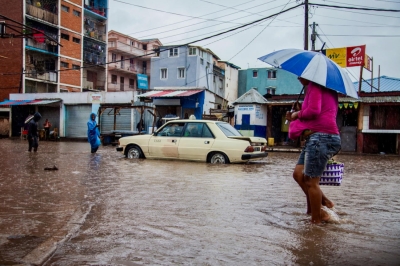
However, the recovery remains fragile and uneven. The IMF highlights a growing divergence among economies: oil-importing countries, often lacking natural resources, are facing a deterioration in their trade balances and rising living costs. In contrast, exporting countries are benefiting from higher prices, while still remaining exposed to market volatility.
Rising Inflation and Social Pressures
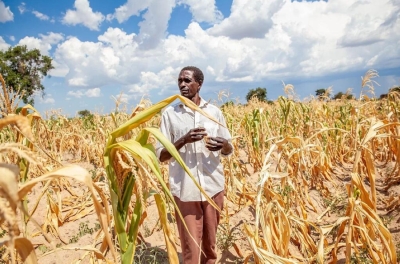
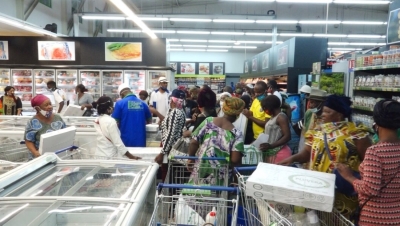
Median inflation is expected to rise again, reaching 5% by the end of 2026, compared to 3.4% in 2025. This trend could exacerbate existing vulnerabilities, particularly in terms of poverty and food security.
According to IMF estimates, a 20% increase in global food prices could push more than 20 million additional people into moderate or severe food insecurity.
Major External Risks
The main source of uncertainty remains the evolution of the conflict in the Middle East. Its prolongation could trigger a new surge in the prices of oil, fertilizers, and food products, while also increasing risk aversion in financial markets.
In such a scenario, regional growth could decline by 0.6%, while inflation could rise by an additional 2.4 percentage points. Oil-importing countries would be the most affected, due to their greater dependence on international markets.
Between Social Urgency and Structural Reforms
In response to these challenges, the IMF is calling on governments to act on two fronts. In the short term, the priority is to contain inflation expectations and protect the most vulnerable populations through targeted support measures.
In the medium term, the institution stresses the need to strengthen economic resilience. Regional integration appears to be a key lever for boosting growth and securing supply chains in an unstable geopolitical context.
The IMF also highlights the potential of artificial intelligence to improve productivity. Its deployment will depend on structural investments, particularly in access to electricity, digital infrastructure, skills development, as well as cybersecurity and data governance.