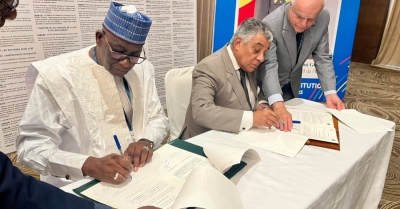












Niger is taking a new step in its digital transformation. President Abdourahamane Tiani has launched in Niamey the rollout of the biometric national identity card of the Alliance of Sahel States (AES).
This project is based on an advanced biometric identification system integrating unique data such as fingerprints, facial recognition, and electronic signatures. The objective is to secure citizen identification, reduce fraud, and simplify access to public services, while ensuring the authenticity of official documents.
Beyond the ID card itself, authorities aim to build a truly sovereign digital infrastructure. The program notably includes the creation of a modern data center and secure systems enabling centralized management of the state’s strategic information.
Adopted by the Council of Ministers at the end of 2025, the project is part of a regional dynamic led by the Alliance of Sahel States, which also includes Mali and Burkina Faso. The goal is clear: to strengthen the technological independence of member states and develop local solutions tailored to security and administrative challenges.
To ensure its success, a monitoring committee has been established to oversee the production of biometric ID cards and electronic passports, currently in their final phase. The project also benefits from the expertise of Al Itisal Aljadeed, a company specialized in identification systems and digital infrastructure.
Through this initiative, Niger reaffirms its commitment to strengthening its digital sovereignty and deeply modernizing its administrative services.