








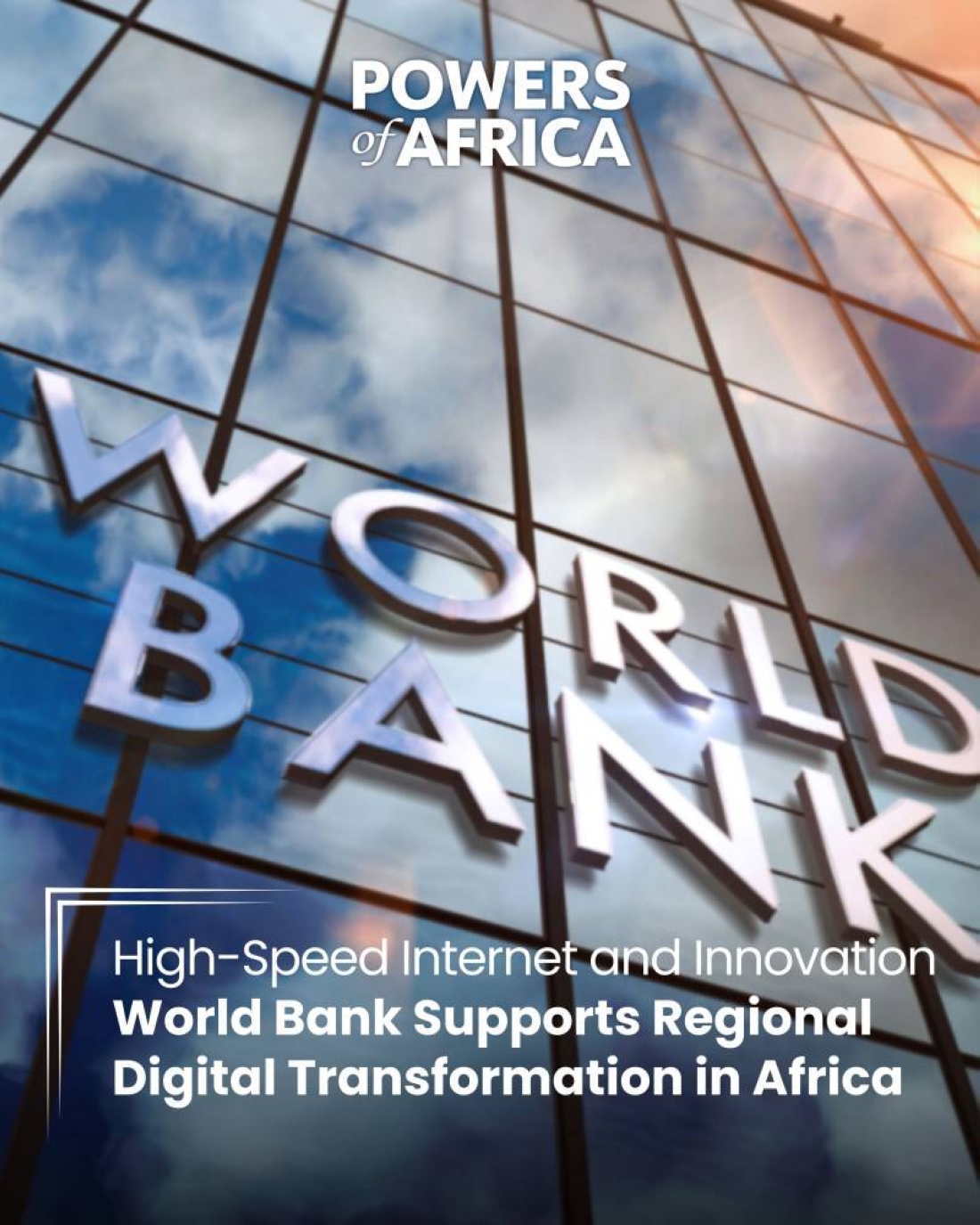


The World Bank announced on March 10, 2026, a $137 million financing package aimed at supporting the development of the digital economy in Benin, Liberia, and Sierra Leone.
This initiative seeks to drive digital transformation in these countries through three main pillars: modernizing digital infrastructure, improving the business environment, and supporting technology companies.
According to Michel Rogy, Regional Director for Digital Development and Artificial Intelligence at the World Bank, the program is expected to accelerate economic transformation in West Africa by fostering job creation, economic resilience, and the emergence of a more integrated regional digital market. He also highlighted that one of the region’s major challenges remains the high cost and low reliability of connectivity, which limits access to digital opportunities for both populations and businesses.
Expanding broadband and digital skills
A significant portion of the funding will be dedicated to strengthening digital infrastructure. The goal is to deploy more efficient broadband networks, improve international connectivity, and increase data center capacity. According to the World Bank, around 5.2 million people are expected to gain access to high-speed internet through this program across the three countries. In addition, approximately 5.4 million new users are expected to access digital services.
The initiative also places strong emphasis on skills development. Around 9,000 people are expected to benefit from training in digital-related fields, with particular attention given to women and youth. Training areas will include artificial intelligence, cybersecurity, and digital entrepreneurship, reflecting the importance of human capital in successful digital transformation.
Promoting a regional digital market
The project also aims to strengthen digital integration in West Africa by encouraging regulatory harmonization and improving digital governance. In this context, the West African Economic and Monetary Union (WAEMU) is expected to play a central role in supporting reforms and reducing infrastructure deployment costs.
The objective is to make markets more attractive to investors and foster the emergence of a more competitive regional digital space, explained Marina Wes, Acting Director for Regional Integration in Africa at the World Bank.
Supporting startups and employment
Part of the funding will also be allocated to strengthening entrepreneurial ecosystems and developing digital financial services. More than 140 tech startups are expected to benefit from support, including seed funding, improved market access, and opportunities for regional digital trade. Women-led businesses are also set to receive targeted support.
In countries where youth employment is a major challenge, the ambition is to make digital technology an immediate driver of job creation and economic growth.
Continuation of the WARDIP program
This new funding builds on the West Africa Regional Digital Integration Project (WARDIP), launched in November 2023. The first phase of the program, with a budget of $266.5 million, covered The Gambia, Guinea, Guinea-Bissau, and Mauritania, in partnership with the African Union, Smart Africa, and the Economic Community of West African States (ECOWAS).
With this new phase, the program now expands to seven countries and also integrates WAEMU into its implementation. For Benin, Liberia, and Sierra Leone, the challenge goes beyond technological modernization: it is about making digital transformation a key driver of growth, regional integration, and job creation in a region undergoing significant economic change.