








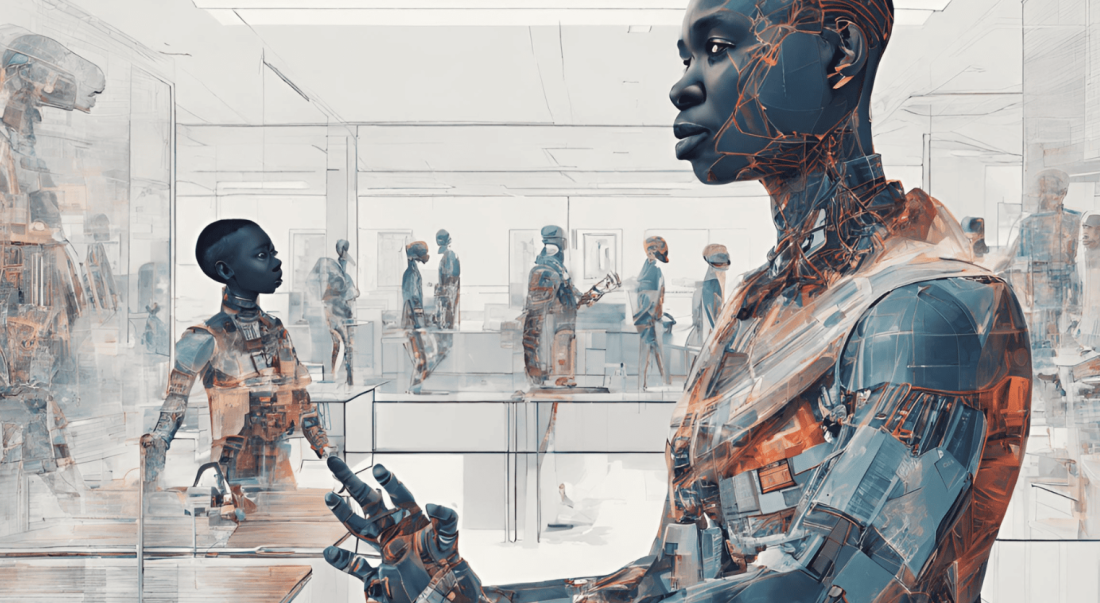


The Government of Zimbabwe has officially launched its National Artificial Intelligence Strategy covering the period 2026–2030.
This roadmap aims to define how the country intends to harness the potential of AI to support its socio-economic development over the next five years.
In his address, President Emmerson Mnangagwa stated that artificial intelligence must be used in a responsible and human-centered manner. He also emphasized the need to ensure transparency, avoid technological bias, and safeguard national interests as well as the dignity of citizens within future legal frameworks.
The national strategy is built around four main pillars: skills and talent development, digital infrastructure sovereignty, adoption of AI technologies in the economy, and the establishment of ethical governance. It notably plans to integrate artificial intelligence into key sectors such as agriculture, mining, healthcare, and education, in order to improve productivity and service quality.
The document also outlines incentive measures aimed at companies and innovators engaged in the use of AI technologies. The objective is to stimulate the digital economy, encourage local innovation, and foster the emergence of a national technology ecosystem. The strategy also emphasizes the development of ethical AI systems that respect fundamental rights and support inclusive growth.
This initiative is part of the broader digital transformation vision driven by the national Smart Zimbabwe 2030 program, which aims to fully integrate information and communication technologies across all sectors of the economy and society.
The plan notably relies on data from the International Telecommunication Union (ITU), according to which a 10% increase in a country’s level of digitalization could lead to a 0.75% increase in GDP per capita. However, Zimbabwe still faces several challenges in this area: it currently ranks 149th out of 193 countries in the United Nations 2024 E-Government Development Index, with a score of 0.4481, below the global average.