









In Tangier, at the heart of a world shaken by geopolitical fractures, the MEDays 2025 Forum opened under the banner of an Africa that is asserting its voice, claiming its place, and redefining the global equation. African leaders, thinkers, and decision-makers delivered a common message: Africa is no longer a spectator — it is now one of the driving poles of the new global order.
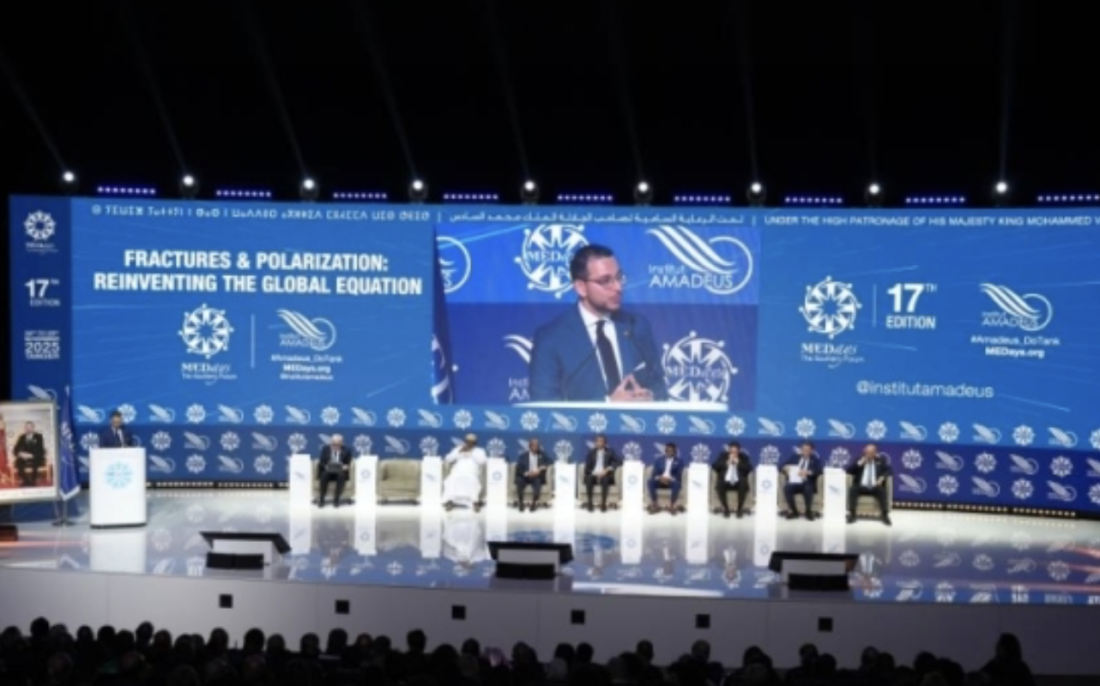
The 17th edition of the MEDays Forum opened in Tangier in an atmosphere that was both solemn and firmly action-oriented. Gathered under the theme “Fractures and Polarization: Reinventing the Global Equation,” heads of state, institutional presidents, ministers, and economic leaders expressed from the outset a shared conviction: it is time for the Global South to stop being a spectator and take its rightful place in reshaping the world order.
Opening the proceedings, Brahim Fassi Fihri, President of the Amadeus Institute and architect of the forum, set the tone for an edition marked by political clarity and geostrategic depth.
He emphasized that the world is going through a period of “political, social, and trust fractures” and that, in this turmoil, “another world is rising: that of the Global South.”
Before the heads of state and government in attendance, he recalled the long-standing vision of His Majesty King Mohammed VI, built on sovereignty, resilience, and solidarity. He also reiterated that the issue of the Moroccan Sahara is now “enshrined by UN Security Council Resolution 2797 as the only serious and realistic solution.”
He further highlighted the Royal Atlantic Initiative and the transformation of the southern regions into genuine hubs for African integration.
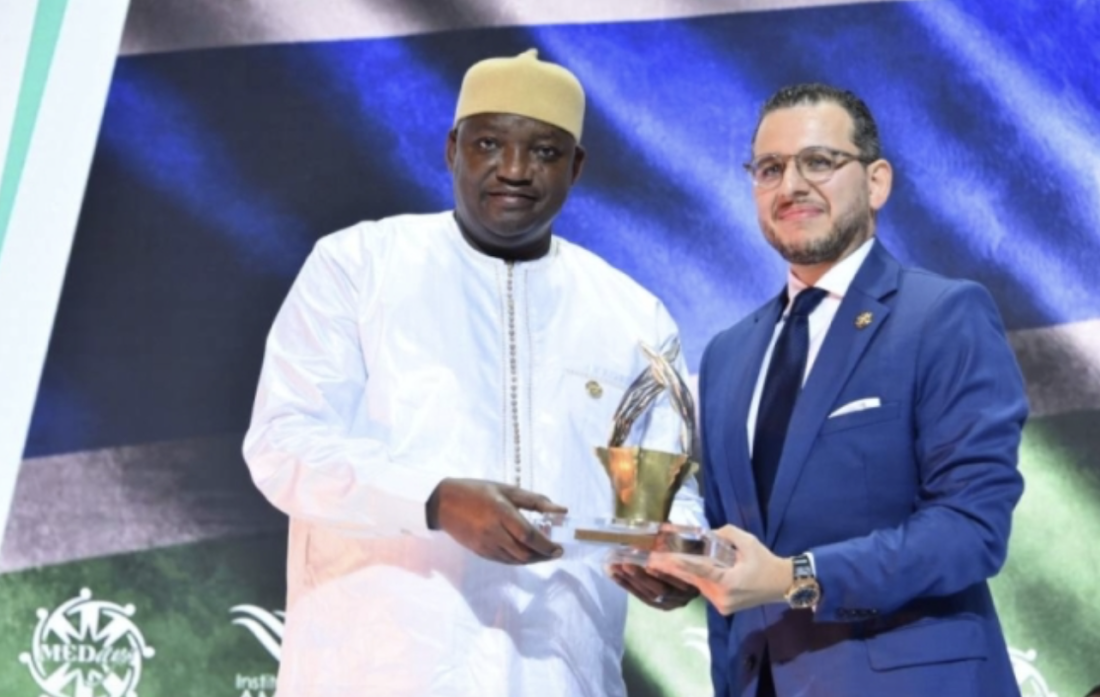
The first MEDays Grand Prize 2025 was awarded to Adama Barrow, President of the Republic of The Gambia. The Forum saluted his leadership and his country’s consistent support for the Moroccan identity of the Sahara, notably through the early opening of a consulate general in Dakhla.
In his address, President Barrow emphasized Morocco’s role as a “visionary leader of South–South partnership” and stated that the distinction he received “is not a personal honor, but one belonging to all African peoples committed to peace and cooperation.” For him, UN Security Council Resolution 2797 “confirms that peace is built through dialogue, respect, and stability.”
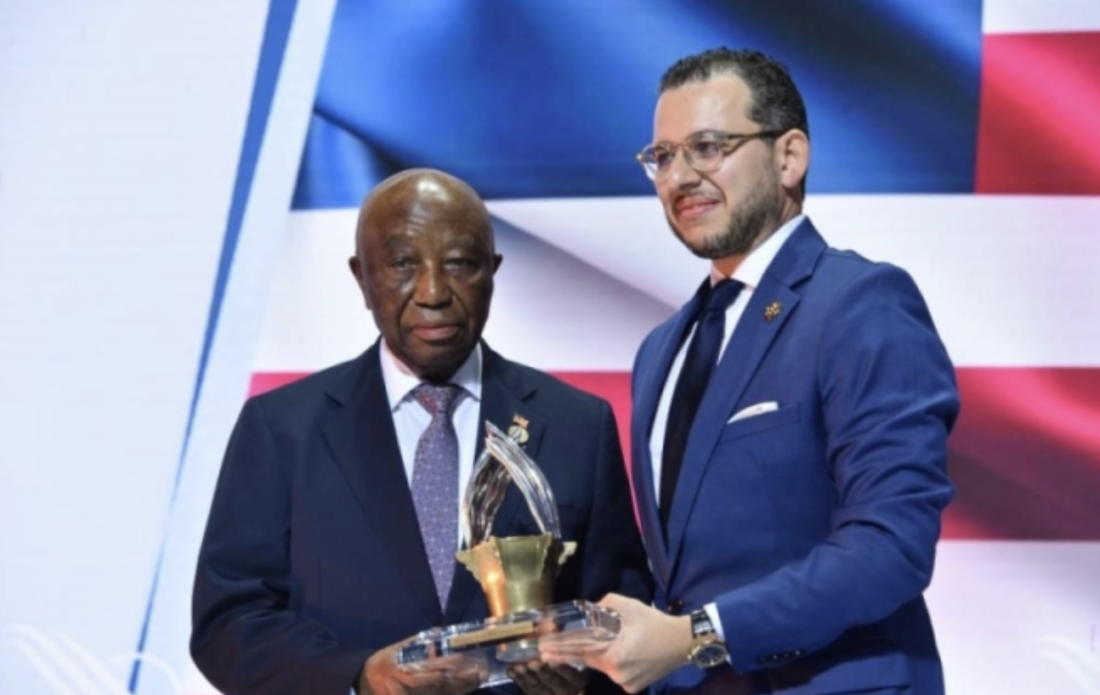
Honored with the MEDays Grand Prize 2025, Liberian President Joseph Nyuma Boakai focused his speech on four priorities for reshaping the balance of power: speaking with a single geopolitical voice, strengthening security cooperation, transforming natural resources locally (industrialization and value creation), and accelerating regional integration through infrastructure corridors and energy networks. “Our wealth must first benefit our people,” he insisted, advocating for partnerships based on equity rather than charity. Liberia, a historic partner of Morocco, also reaffirmed its clear support for the Kingdom’s territorial integrity, symbolized by the opening of its consulate in Dakhla.
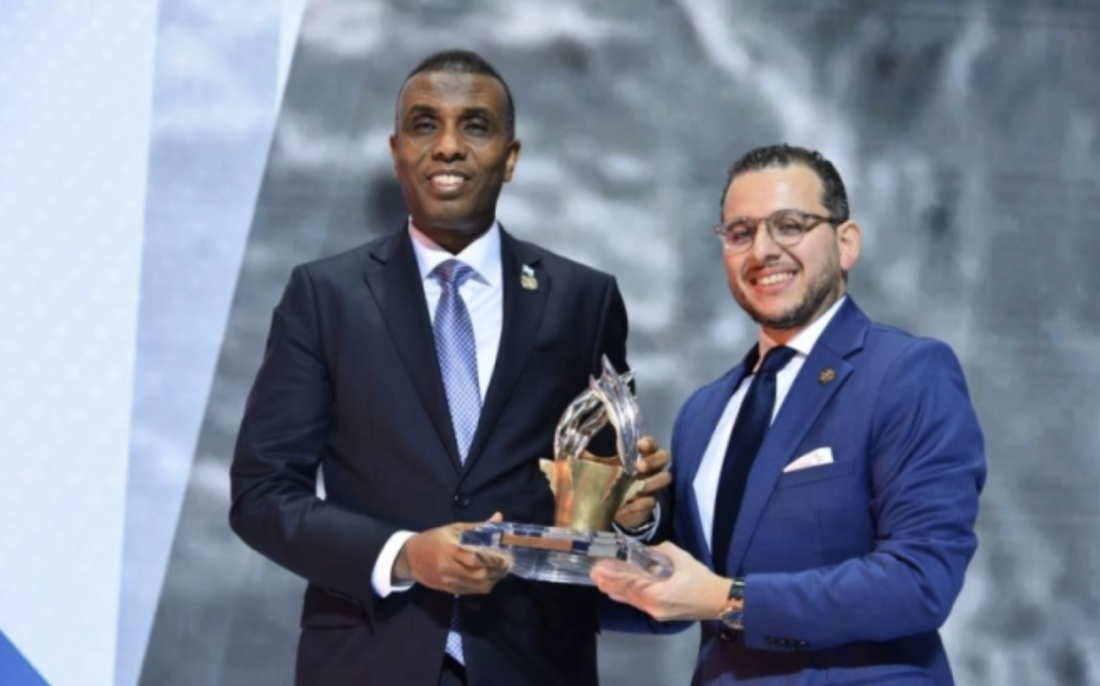
The MEDays 2025 Prize was awarded to the Federal Republic of Somalia, represented by Prime Minister Hamza Abdi Barre. In his speech, he recalled that the dysfunctions of the international system penalize “countries of the South, victims of crises they did not create.” He praised Morocco’s leadership and affirmed that “the voice of the South is today stronger than ever.” Somalia also reaffirmed its firm support for Resolution 2797, enshrining the Autonomy Initiative as the only credible basis for resolving the artificial dispute over the Moroccan Sahara.
The Caribbean voice was represented by Dickon Mitchell, Prime Minister of Grenada, who reminded the audience that small island states pay the highest price for climate crises: “supercharged hurricanes,” destruction of entire infrastructures, massive displacement. Alerting on the damage caused by recent hurricanes, he called for faster, better-targeted financial mechanisms for adaptation and stressed the importance of South–South dialogue and the diaspora as a lever of cooperation.
For Chakib Alj, President of the CGEM, the MEDays Forum is an opportunity to reaffirm that Africa has become an essential strategic pole. He highlighted major issues such as industrialization, energy transition, digital sovereignty, food security, and the massive financing of infrastructure. He emphasized the Moroccan model, based on strategic infrastructure (Tanger Med, high-speed rail, industrial zones, green energies), which demonstrates that “an Africa that invests in its youth and capacities becomes a major global actor.”
A Set of Concrete Proposals
While diagnoses converged — the fragility of multilateralism, climate emergency, the need for industrialization and integration — speakers also put forward very concrete action paths: creation of investment funds dedicated to the Global South, observatories to master emerging technologies, maritime and land corridors to ease intra-African trade, and targeted programs for youth training.
The central message is clear: in the face of global fractures, the South — and particularly Africa — intends to move from words to infrastructure, from intentions to projects. The Tangier forum once again positions itself as the space where the priorities of a South determined to influence and build are defined.
MEDays 2025 will continue over the next three days, with panels dedicated to energy transition, digital sovereignty, agro-industry, and green finance — key areas that speakers have placed at the heart of a shared roadmap to make Africa a leading actor in the global economy.