








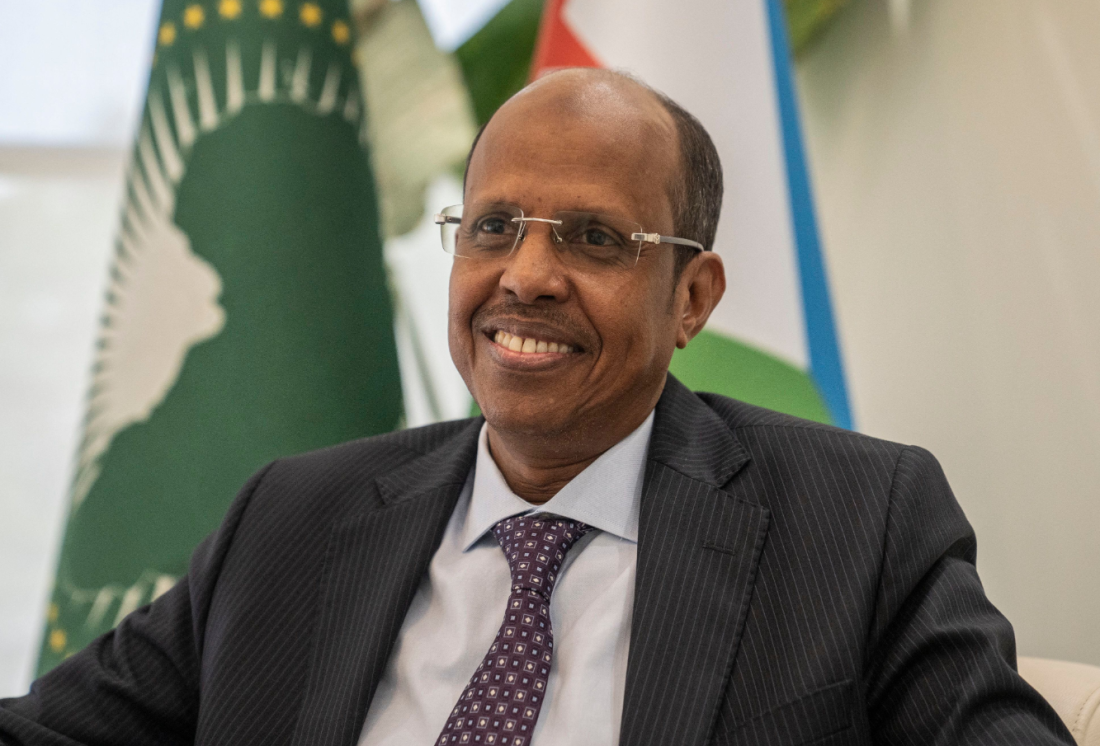


The Chairperson of the African Union Commission, Mahmoud Ali Youssouf, praised the Kingdom of Morocco’s ongoing efforts to strengthen African capacities in the field of election observation and democratic governance.
In his semi-annual report on elections in Africa, the Chairperson of the AU Commission highlighted the growing impact of the electoral observers’ training program organized in Rabat, through a partnership between Morocco and the AU Commission’s Department of Political Affairs, Peace and Security.
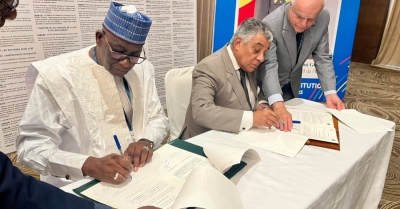
The report was adopted during the 1,288th meeting of the AU Peace and Security Council, which welcomed the support provided by African countries to reinforce the capacities of AU electoral observers in the fields of elections and democracy. This includes the organization of the 4th edition of the AU’s annual specialized training for short-term electoral observers, held from April 22 to 25, 2025, in Rabat.
This 4th cycle trained 120 new observers from 52 African countries, bringing the total number of beneficiaries since the program’s launch in June 2022 to more than 300, including 175 women.
This training cycle, the result of an effective partnership between Morocco and the AU Commission, is part of an ambitious dynamic to consolidate democratic governance in Africa. It benefits an increasing number of participants each year from the five sub-regions of the continent, thus strengthening the continental base of qualified electoral observers ready to be deployed during elections in African countries.
The report also underscores the importance of the seminar-dialogue on elections and democracy in Africa, held on the sidelines of the training at the Policy Center for the New South, part of the Mohammed VI Polytechnic University in Rabat.
Held under the theme “Inclusive Governance: Strengthening Women’s Leadership in African Electoral Processes,” the seminar brought together more than 60 stakeholders, including institutional actors, civil society representatives, and electoral experts.
Furthermore, the report highlights the adoption of the Rabat Call to Action, which emerged from this seminar-dialogue. The call is structured around five main pillars, including the establishment of gender quotas in electoral bodies, the allocation of specific budgets for women’s safety in observation missions, the creation of response units against gender-based violence, the increased involvement of young human rights defenders, and the systematic breakdown of electoral data by gender.