










The United Nations Educational, Scientific and Cultural Organization (UNESCO) has announced the removal of three African sites from the List of World Heritage in Danger.
The World Heritage Committee of UNESCO, meeting in Paris, decided to “remove three properties located in Madagascar, Egypt, and Libya from the List of World Heritage in Danger,” according to a statement from the UN organization. These removals are “the result of significant efforts by the States Parties, with the support of UNESCO, to substantially reduce the threats facing these sites.”
The three concerned properties are the “Rainforests of the Atsinanana” in Madagascar, the Abu Mena site in Egypt, and the Old Town of Ghadamès in Libya.
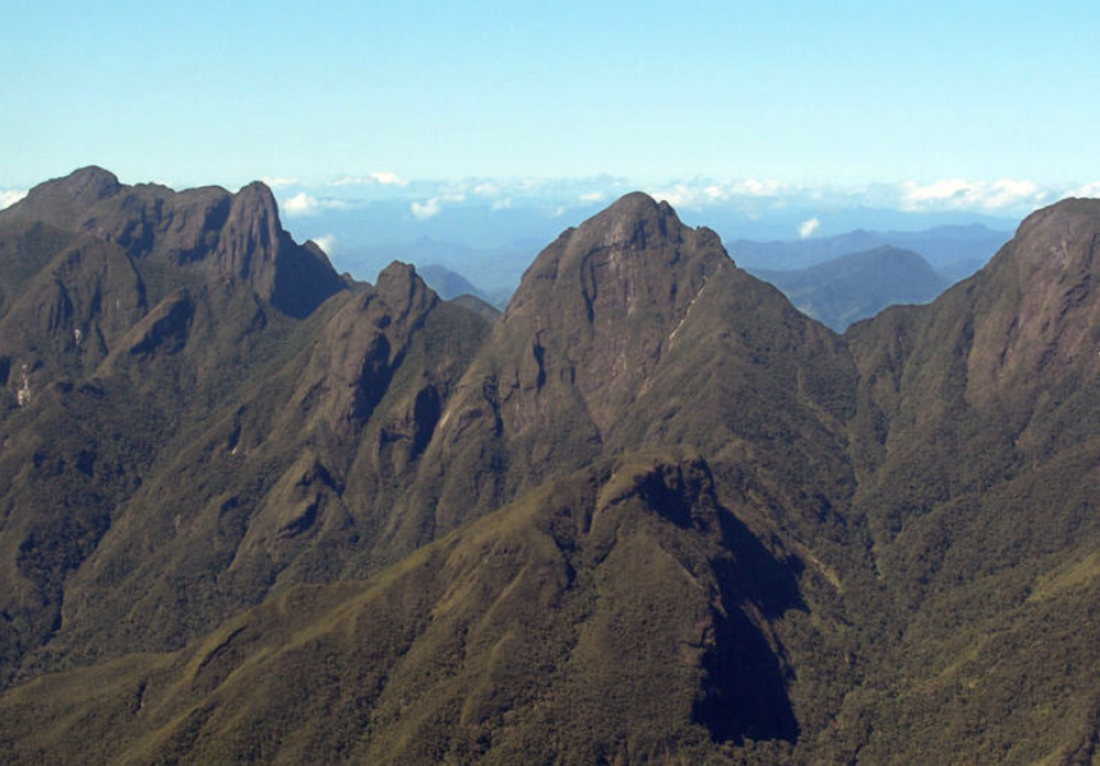
The Atsinanana Rainforests were inscribed on UNESCO’s World Heritage List in 2007 for their rich biodiversity. The tropical forests and their species have faced a series of threats in recent years, including illegal logging, trafficking of precious timber, and deforestation. These factors negatively impacted major species such as lemurs, leading to the site's inclusion on the List of World Heritage in Danger in 2010, the same source recalls.
The Egyptian site of Abu Mena, inscribed on the World Heritage List in 1979 as an exceptional example of a pilgrimage site and cradle of Christian monasticism, was placed on the List of World Heritage in Danger in 2001 due to “concerns about the alarming rise of the groundwater level caused by irrigation practices of surrounding farms and the collapse of several superimposed structures.”
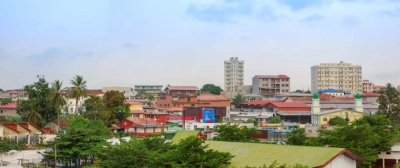
Listed as a UNESCO World Heritage site in 1986 as a crossroads of major African and Mediterranean cultures, the Old Town of Ghadamès in Libya had been on the List of World Heritage in Danger since 2016 due to conflict. The site was also threatened by wildfires and torrential rains.
“When sites are removed from the List of World Heritage in Danger, it is a major victory for all. For the countries and communities directly concerned, for UNESCO, and more broadly for the shared heritage of humanity,” commented UNESCO Director-General Audrey Azoulay.
The List of World Heritage in Danger aims to raise awareness about the threats facing the values for which a property was inscribed on the World Heritage List and to mobilize the international community to safeguard the site. It also entitles the site to increased technical and financial support from UNESCO.