








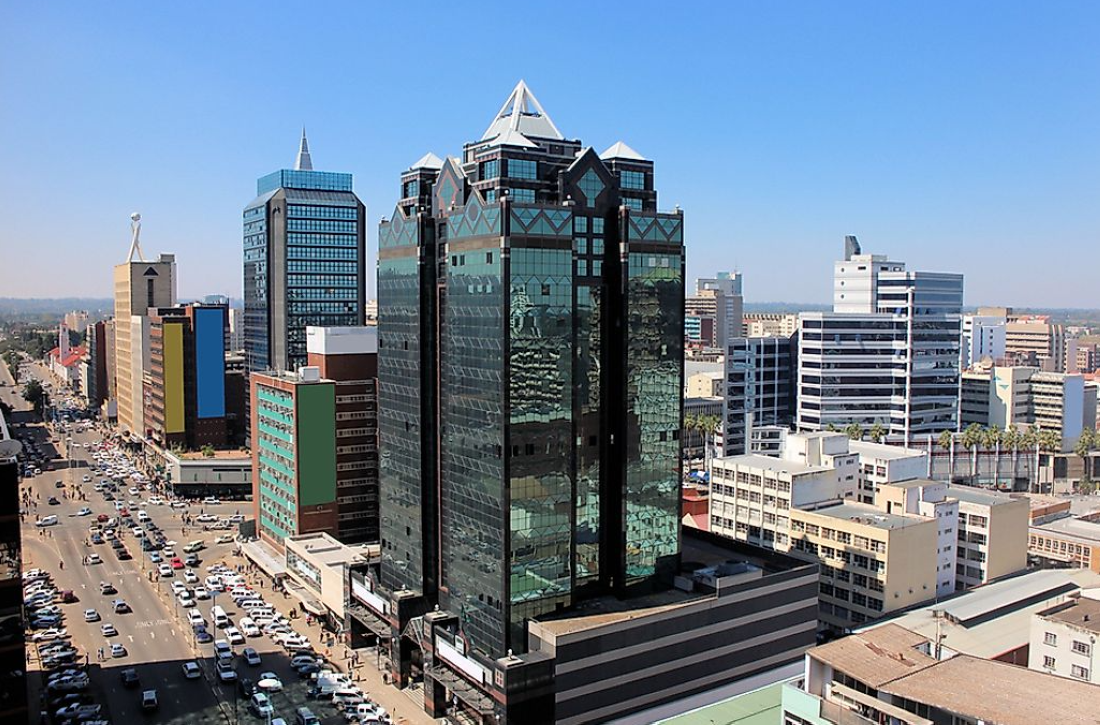


The International Monetary Fund (IMF) forecasts 6% economic growth for Zimbabwe in 2025, marking a strong rebound following the drought-induced recession of 2024.
The optimistic 6% growth projection stems from an Article IV consultation mission recently conducted by the IMF in Harare. The final report highlights that this positive momentum is driven by regained macroeconomic stability, rising gold prices, and strict fiscal and monetary policies.
“In the first half of 2025, more favorable weather conditions and record gold prices boosted the agricultural and mining sectors, strengthening the current account and supporting the recovery, with growth expected at 6%,” said Wojciech Maliszewski, IMF mission chief.
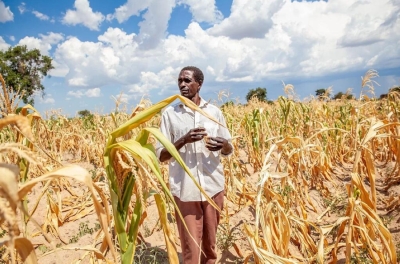
The year 2024 had been marked by a contraction of the economy, notably due to a 15% drop in agricultural output, reduced electricity supply, and falling global prices for platinum and lithium.
However, the IMF praised recent reforms implemented by Zimbabwean authorities. These include the cessation of quasi-fiscal operations by the Reserve Bank of Zimbabwe, stabilization of the new gold-backed currency (ZiG), and control of inflation, which has averaged just 0.5% per month between February and May 2025.
The institution also noted progress on the fiscal front, with increased tax revenues and greater discipline in public financial management. Nevertheless, it warned that pressures remain, particularly due to rising public sector wages, debt servicing costs, and public investment needs.
To stay on the path of recovery, the IMF recommends further reforms: reducing the budget deficit without resorting to monetary financing, improving public finance governance, and enhancing transparency regarding state-owned enterprises and the Mutapa Sovereign Wealth Fund.