








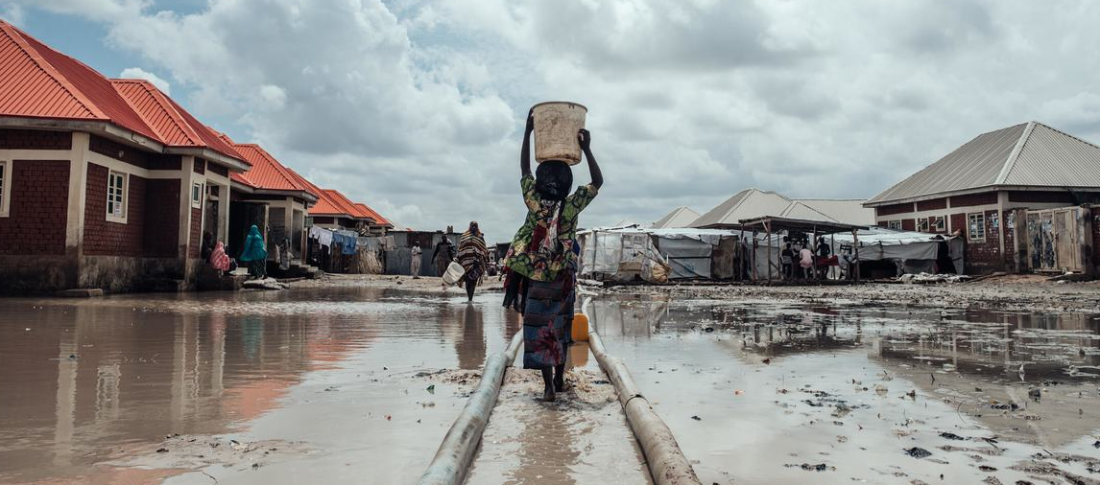


In 2024, Africa recorded 7.8 million displacements caused by extreme weather events linked to climate change, according to a report published by the International Federation of Red Cross and Red Crescent Societies (IFRC).
Entitled “Forced to Flee in a Changing Climate: Red Cross and Red Crescent Action Addressing Climate and Disaster Displacement in Africa”, the report states that this figure represents 1.8 million more displacements than the 6 million recorded in 2023.
According to the IFRC, these figures refer to displacement events, not the number of individuals displaced, as many people were forced to move multiple times due to climate disasters such as floods, storms, cyclones, and prolonged droughts.
The impact varies significantly across the continent’s sub-regions.
East Africa, where climate change is altering rainfall patterns, causing both prolonged droughts and severe floods, tops the list with 2.8 million displacements recorded last year.
Central Africa recorded 2.4 million displacements due to climate-related disasters. This sub-region, considered one of the most vulnerable in the world to climate disruption, is plagued by recurrent cycles of drought and flooding as well as desertification, which further erode community resilience and add pressure to already complex conflicts and security crises.
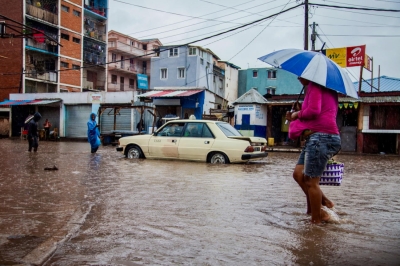
The report also highlights that floods have caused 30 million displacements across the continent between 2013 and 2024, accounting for over 70% of all displacements due to extreme weather events.
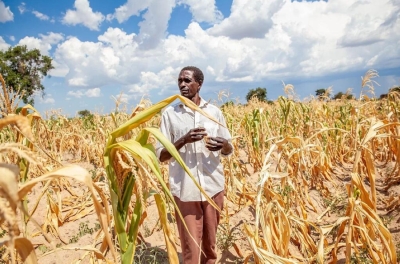
Drought has led to at least 5 million displacements, representing 12% of climate-related displacements in Africa over the past twelve years.
Storms, for their part, have caused 5.1 million displacements in Africa between 2013 and 2024.
Furthermore, the report underscores that climate disaster-related displacement disproportionately affects the most vulnerable social groups, including people living in poverty, women, children, the elderly, and people with disabilities.
These climate pressures are rarely isolated, as they often compound other risks such as conflict, economic instability, and food insecurity—exacerbating existing vulnerabilities and making recovery and community rebuilding even more difficult.
The report concludes that the number of climate-displaced people in Africa is expected to continue rising in the coming years due to the increased frequency and intensity of extreme weather events and significant population growth anticipated in low-lying coastal areas, which may increase the risk of displacement related to sea-level rise.