










The World Bank has approved two financing packages from the International Development Association (IDA) for Benin, totaling $180.7 million, aimed at improving land security and strengthening the integrated management of classified forests.
The first financing of $100 million supports the land tenure management program.
This operation, called Terra Benin, performance-based (PforR in English), supports the national land program of Benin by prioritizing the efficiency of land administration services, simplifying and accelerating land registration.
The Terra Benin program will enable land rights registration in 14 municipalities, covering 124 rural and urban districts in 11 departments. It will map approximately 1.5 million plots, with 1 million being registered using more efficient technologies and procedures. Terra Benin also benefits from additional support from the Trust Fund financed by the Global Facility for Disaster Reduction and Recovery (Benin - Support for Resilient Land Management), to enhance e-Land Benin by integrating data on disaster risks.
"This program will have a large-scale impact by using technology to accelerate the electronic issuance of land certificates in both rural and urban areas. Secure access for each citizen to an official land document is the foundation for all economic development, especially in the agricultural sector, which employs the most people," emphasized Marie-Chantal Uwanyiligira, World Bank Division Director for Benin, Côte d'Ivoire, Guinea, and Togo, adding, "This transformative program also has the potential to be replicated in other countries."
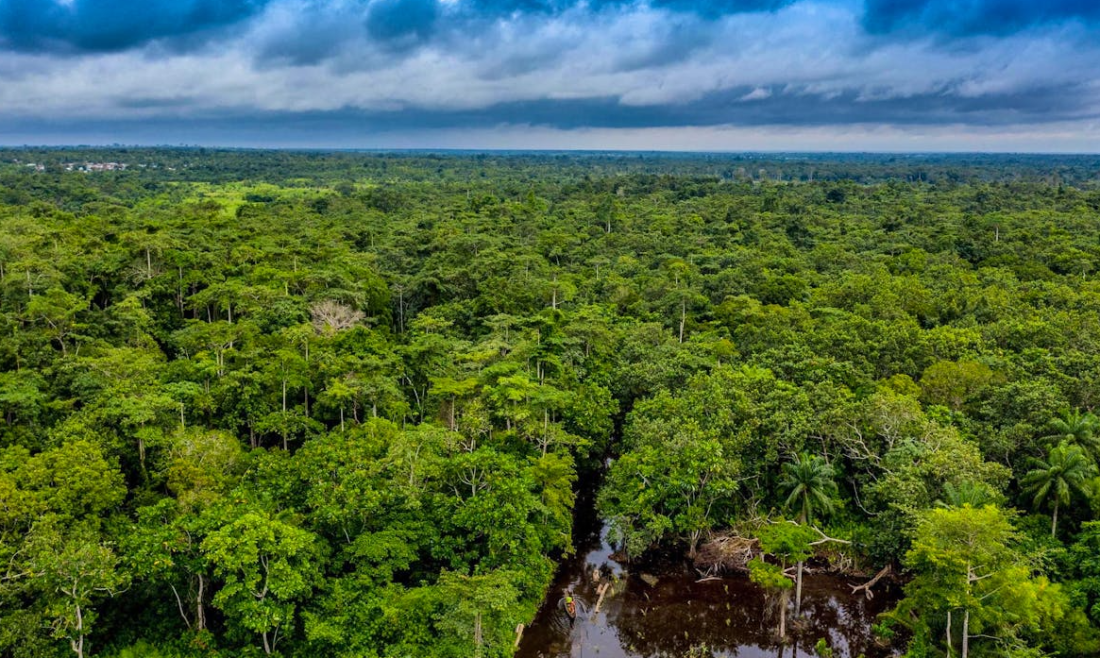
The second financing of $80.7 million supports the second phase of Benin's classified forests project. It aims to strengthen the integrated and sustainable management of forests, notably through the development of agroforestry, sustainable agricultural intensification, reforestation, and maintenance activities. In addition to the 26,000 hectares of energy wood and timber planted during the first phase, phase 2 of the project will reforest an additional 20,000 hectares of energy wood and timber plantations in degraded classified forests.
The project will also capitalize on financing opportunities and support the government’s priority of accessing carbon credits.