










The Mozambican government is projecting an average annual growth rate of 5.5%, including revenues from gas, in line with the economic goals set out in the 2025-2029 five-year plan.
The new five-year plan, presented to Parliament by Prime Minister Maria Benvinda Levi, forecasts a decrease in the growth rate to 4% when natural gas revenues are excluded.
Per capita income is expected to increase modestly, rising from $662 to $736.60, representing an overall increase of 11.3%, or an average growth of 2.26% per year.
Inflation is expected to remain stable, with an annual average of around 4.5%.
Significant improvements in access to basic services are also expected. The proportion of the population with access to electricity should rise from 60.1% to 88%, while access to healthcare would slightly increase from 70.2% to 73%.
The goals include the construction of 7,440 km of electrical transmission lines, 3,492 primary school classrooms, 14 district hospitals, and 1,766 rural water supply networks.
In terms of employment, the government aims to reduce the national unemployment rate from 18.4% to 14.7%. In the education sector, the number of students per teacher should decrease from 68.1 to 55.
However, Levi warned that these goals are highly dependent on national peace and security.
"Progress is only possible if we maintain peace, public order, and stability," she emphasized, describing these as fundamental elements for inclusive socio-economic development.
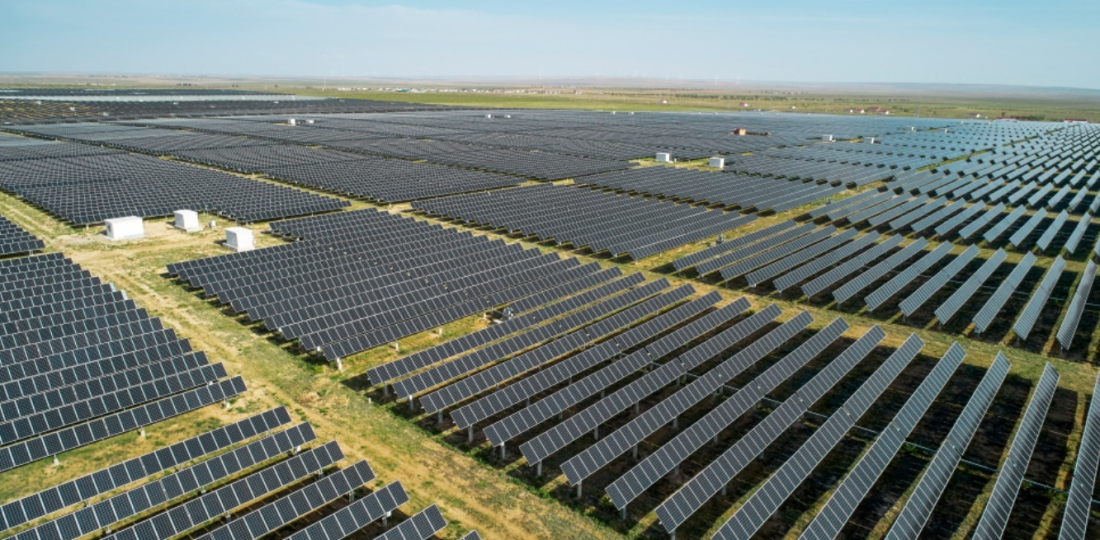
Furthermore, the Mozambican government has decided to place energy at the center of its growth strategy for the next five years. This is reflected in its 2025-2029 five-year plan, which it has requested approval for from Parliament.
This plan gives significant attention to rural electrification, expansion of the national grid, and widespread distribution of domestic gas.
According to official data, around 47% of the population lives in areas served by the grid, with 2 to 5% of households using liquefied petroleum gas (LPG), mostly in urban areas.