










AI, Instability, and Migration: A New Strategic Equation
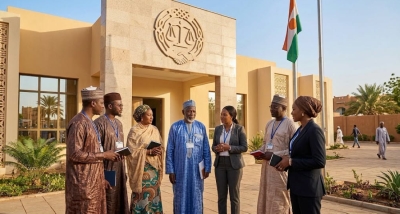
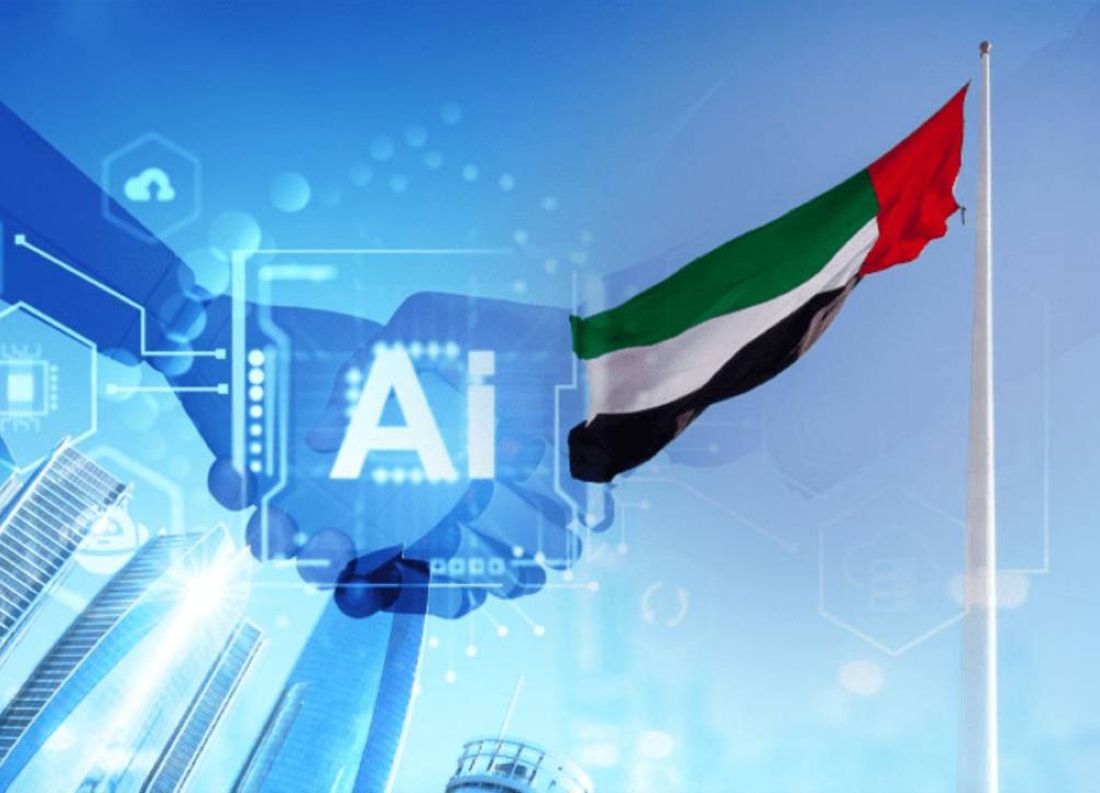
At a moment when Africa is confronted with overlapping crises — armed conflicts, food insecurity, climate shocks, fragile health systems, and unprecedented levels of forced migration — artificial intelligence is no longer a futuristic concept reserved for advanced economies. It is increasingly a tool of stabilization, state capacity, and conflict prevention. The United Arab Emirates has understood this reality earlier than most. By positioning artificial intelligence at the core of its national development strategy and extending this investment toward Africa, the UAE is offering more than technology: it is offering a framework to address some of the structural drivers of instability on the continent. In regions where wars are fueled by scarcity, governance gaps, and weak public services, AI-enabled systems can help restore predictability, resilience, and trust. This strategic logic explains why the UAE’s growing AI engagement in Africa is not simply an economic initiative, but a geopolitical one — aimed at reducing the pressures that lead to violence, state collapse, and mass migration toward Europe and the Gulf.
From National Vision to Global Capability: The UAE’s AI Model
The credibility of the UAE’s approach rests on the depth of its domestic investment and institutional commitment to artificial intelligence. In 2017, the UAE became the first country in the world to appoint a Minister of State for Artificial Intelligence, signaling that AI would be treated as a sovereign priority rather than a private-sector experiment. This was followed by the UAE National Artificial Intelligence Strategy 2031, which embeds AI across government services, economic planning, infrastructure, and education. Official projections estimate that artificial intelligence could contribute up to 14 percent of the UAE’s GDP by 2030, equivalent to roughly AED 335 billion in economic value. To support this ambition, the UAE has invested heavily in advanced digital infrastructure, high-performance computing, and data centers capable of supporting frontier-level AI models. Abu Dhabi’s MGX fund, targeting up to USD 100 billion in AI-focused assets under management, illustrates the scale of capital mobilized for this purpose. Institutions such as Mohamed bin Zayed University of Artificial Intelligence anchor research and talent development, while national champions have developed globally competitive AI models and platforms. Crucially, the UAE has paired investment with regulation, emphasizing responsible and human-centered AI governance — an approach that enhances trust and makes its model exportable to regions where institutional fragility remains a concern.
Africa’s Strategic Sectors: Where AI Can Reduce Conflict and Build Resilience
It is within this context that Africa emerges as a strategic extension of the UAE’s AI vision. The continent’s challenges are well known, but so is its potential. In agriculture, artificial intelligence can dramatically improve food security by enabling precision farming, optimizing water use, predicting droughts and crop diseases, and reducing post-harvest losses — directly addressing one of the main triggers of conflict and displacement. In energy, AI-driven smart grids and renewable forecasting can improve electricity reliability, lower costs, and support industrialization, reducing the economic frustration that fuels unrest. In healthcare, predictive analytics and AI-assisted diagnostics can compensate for shortages of medical professionals, detect disease outbreaks earlier, and strengthen resilience against epidemics that often destabilize already fragile societies. Beyond these sectors, AI-enabled governance tools can improve public service delivery, enhance transparency, and strengthen state capacity — a critical factor in rebuilding citizen trust and preventing violence. By supporting AI infrastructure, skills, and applications across Africa, the UAE is not merely exporting technology, but helping to reinforce the foundations of stability. In a continent where insecurity, climate stress, and demographic pressure drive millions to migrate, artificial intelligence — when responsibly deployed — becomes a force for resilience rather than disruption. The UAE’s strategy reflects a clear understanding of this reality: that in the twenty-first century, sustainable peace and development will increasingly depend on how intelligently nations deploy data, algorithms, and digital systems.
Dr. Tommie Meyer is a Professor of Artificial Intelligence and Applications in Nigeria