









Morocco will be the guest of honor at the 9th Abidjan International Arts Biennale (BINA 2026), scheduled to take place from December 2 to 20 in Côte d’Ivoire.
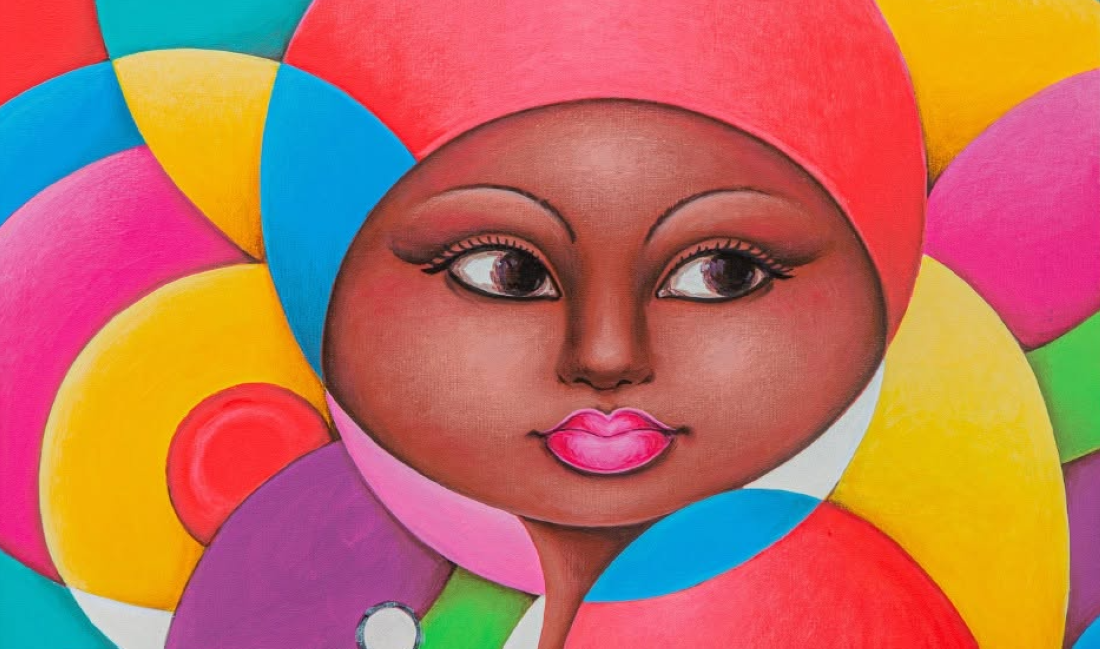
The event will bring together 47 artists from around 20 countries across Africa and Europe, with the aim of promoting cultural exchanges and dialogue between different forms of artistic expression.
Held under the theme “Art and Creation,” this edition seeks to strengthen artistic ties between North Africa and sub-Saharan Africa by encouraging encounters among artists, art critics, gallery owners and representatives of cultural institutions.
Founded by Ivorian painter Augustin Kassi, the Biennale will welcome eight Moroccan artists: Najib Mtoul, Mohamed Tayert, Riham Amghar, Ahmed Elazizi, Bouchra Bifadlallah, Ahmed Chiha, Soumaya Mrabet and Echchahed Rabiaa, according to the organizers.
The selection of Morocco as guest of honor reflects a desire to strengthen cultural relations between the two regions of the African continent, Augustin Kassi said. The opening ceremony will notably feature an exhibition opening dedicated to the Moroccan delegation.
Beyond the exhibition of artworks, the event will provide Ivorian and African artists with an opportunity to discover new artistic schools and approaches. It will also allow international participants to gain a deeper understanding of Côte d’Ivoire’s cultural and social realities.
In addition to Morocco, artists from the Democratic Republic of the Congo, Rwanda, Cameroon, Nigeria, Benin, Togo, Mali, Burkina Faso, Niger and Senegal are expected to participate, alongside representatives from the Netherlands and Austria.
In a statement to MAP, Moroccan artist Najib Mtoul, president of the Ofoq’Arts Association for Art and Culture, welcomed Morocco’s designation as guest of honor. He described it as a reflection of the strong cooperation between Rabat and Abidjan, as well as the close personal and professional ties between artists from the two countries.
He emphasized that Morocco’s participation would give Ivorian and international audiences an opportunity to discover the diversity of Moroccan visual arts while fostering dialogue between different creative perspectives.
Najib Mtoul also highlighted the role of African cultural events in sharing experiences and bringing artists from across the continent closer together. He recalled that African artists regularly participate in events held in Morocco, while Moroccan artists take part in cultural gatherings in several African countries.