









The Democratic Republic of the Congo is preparing to take a new step in the digitalization of goods inspection and control.
The country is preparing to roll out a national QR Code system aimed at strengthening the traceability of products sold within its territory, particularly medicines.
The announcement was made on Friday, September 4, by Foreign Trade Minister Julien Paluku. In the coming weeks, the Congolese Control Office (OCC) is expected to make the system available to consumers.
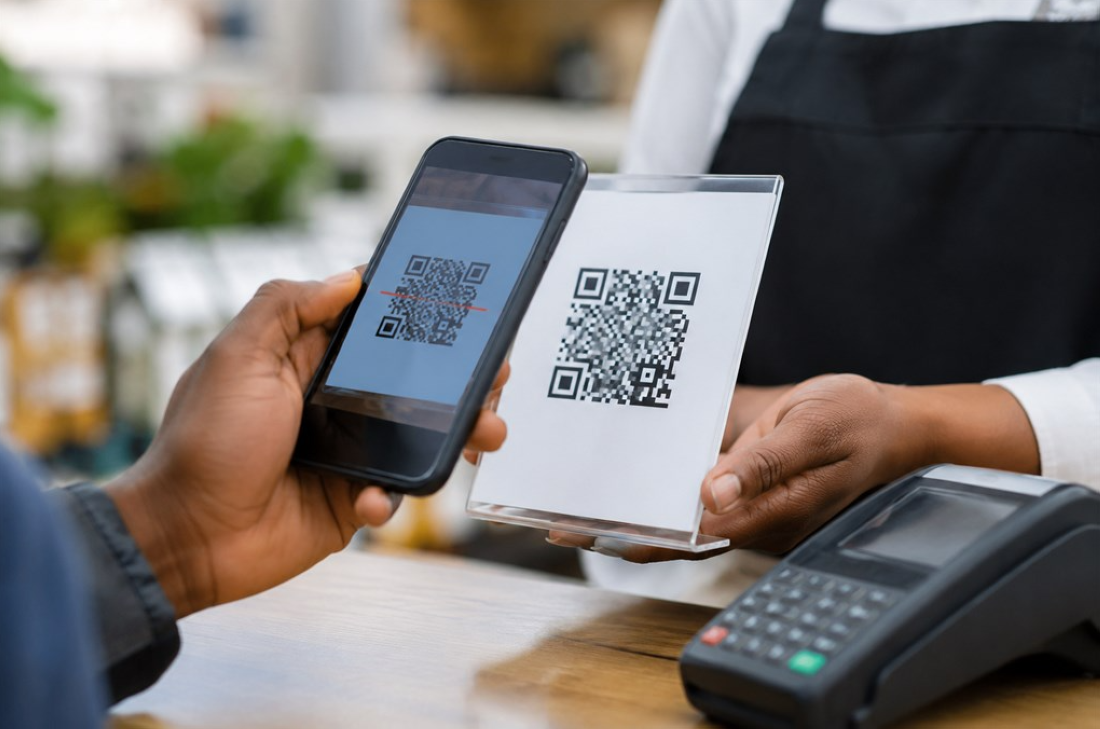
In practical terms, consumers will simply need to scan the QR Code displayed on a product to access information allowing them to verify its status and compliance. The system is also designed to help identify non-compliant goods or products that may pose a risk to consumers.
Another planned feature will allow consumers to report suspicious products directly to the relevant authorities, thereby strengthening consumer participation in the monitoring system.
Moving Product Control into the Digital Age
The system is based on the National Computerized Certification System for Congolese Standards, which was unveiled in February. It is expected to enable the OCC to strengthen product traceability and facilitate access to certification-related information.
The digitalization of product control comes alongside efforts to strengthen the Office’s technical capabilities. Its National Laboratory Network currently comprises 88 laboratories across 29 sites throughout the country. In May 2026, the institution received new equipment aimed at improving physicochemical and microbiological testing.
This modernization is expected to strengthen the OCC’s inspection and testing capabilities, as the government has announced plans to continue upgrading the entire national laboratory network.
From the Congolese Market to Exports
However, the QR Code system is not expected to be limited to products intended for the domestic market. The OCC is also working to introduce it for certified batches destined for foreign markets.
The objective is to enable stakeholders to access information about a product’s origin, compliance and journey, from production through to commercialization. This initiative is part of the partnership established with Videray Technologies.
Since January, the company has been supporting the OCC in implementing an integrated system of holographic labels combined with QR Codes to ensure the traceability of “Made in Congo” products.
The system is designed to track goods throughout their journey, from production or importation through to consumption.
A Tool to Strengthen Confidence in Congolese Products
Beyond combating fraudulent or non-compliant products, Kinshasa also intends to use digital traceability as a tool to enhance competitiveness.
By providing greater transparency regarding the origin and compliance of goods, the authorities hope to strengthen consumer confidence and enhance the credibility of Congolese products.
The system therefore targets several markets at once: domestic, regional and international. For the DRC, the QR Code is becoming more than just a verification tool: it forms part of a broader strategy to modernize product control, protect consumers and promote “Made in Congo.”