











Benin and Morocco have reached a new milestone in their bilateral cooperation.
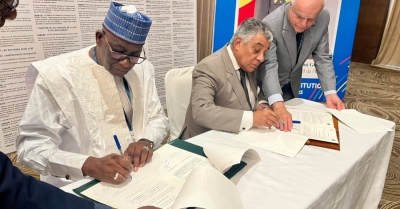
Meeting in Cotonou on Tuesday, July 21, during the 7th session of the Morocco–Benin Joint Commission for Cooperation, the two countries signed 14 agreements aimed at strengthening their partnership across several strategic sectors.
The discussions focused on expanding economic and trade relations, promoting investment, enhancing university cooperation, fostering cultural exchanges, facilitating the movement of people, and coordinating positions on regional and international issues.
Both governments reaffirmed their commitment to deepening their political, economic, and sectoral partnership. They also agreed to involve the private sector more actively to boost trade, which reached US$164.2 million in 2025, according to data from the International Trade Centre (ITC).
In the field of higher education, Morocco announced an increase in the number of scholarships awarded to Beninese students. Rabat also expressed its willingness to consider a visa exemption for Beninese holders of ordinary passports, in addition to the e-Visa system already in place.
Investment-focused cooperation
For Benin, this closer partnership is intended to attract greater Moroccan investment in key sectors such as industry, construction, agriculture, and services. It also forms part of the country's strategy to diversify its economic partnerships and support the development of priority industries.
For its part, Morocco is continuing its strategy of strengthening its economic presence in West Africa. The Kingdom aims to encourage Moroccan companies to establish operations in Benin, promote its expertise in higher education and scientific research, and reinforce its role as a regional hub for trade, finance, and logistics.
This momentum was illustrated by the multisectoral B2B business forum held in Cotonou on July 8, where business leaders from both countries explored investment opportunities in industrial zones, tourism, and services.
“We want to build on Morocco’s experience. Morocco, in turn, will also benefit from Benin’s expertise in industrial zones and tourism,” said Eric Akouté, Director General of the Investment and Export Promotion Agency (APIEX).
To ensure the effective implementation of the commitments made, Rabat and Cotonou agreed to establish a monitoring committee responsible for assessing the implementation of the recommendations and reviving the sectoral cooperation mechanisms provided for under the bilateral agreements.