








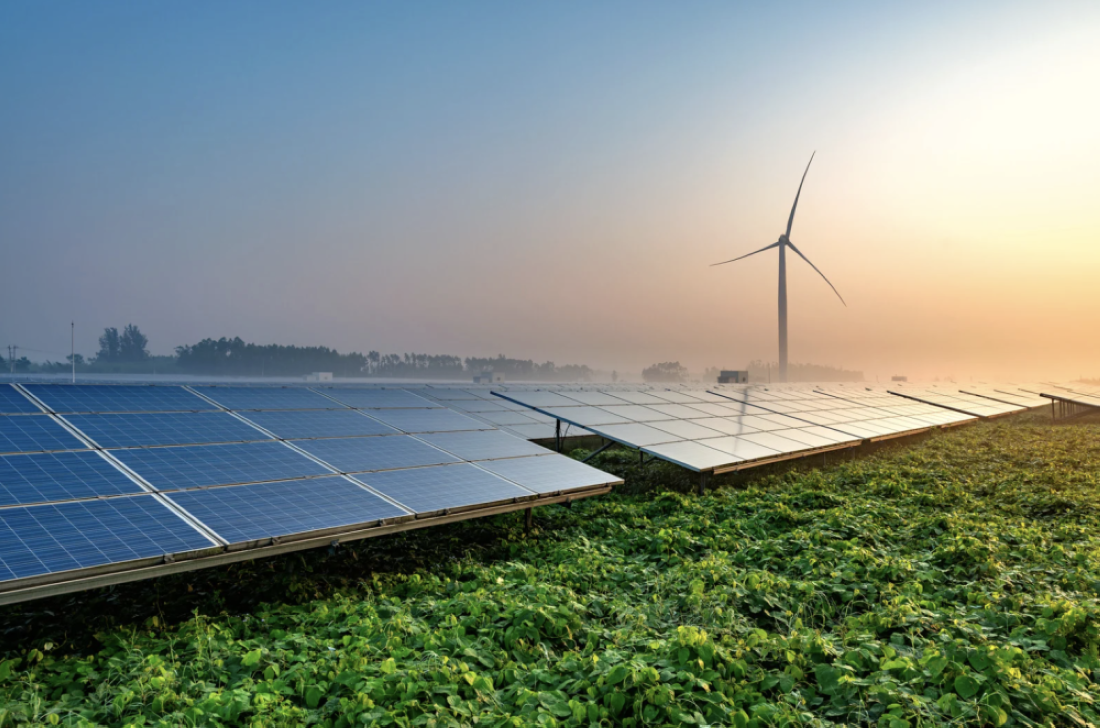


Solar energy currently accounts for more than 10% of the electricity mix in 13 African countries, according to a report published by the African Solar Industry Association (AFSIA).
Titled “Africa Solar Outlook 2026,” the report notes that the Central African Republic leads the way, with 37.7% of its electricity mix generated from solar power, followed by Chad (36.7%) and Somalia (32.4%).
They are followed by Sierra Leone (18.1%), Namibia (17.7%), Mauritania (16.7%), Comoros (16.5%), South Sudan (13.3%), Burkina Faso (11.8%), and Malawi (11%).
Other African countries sourcing at least 10% of their electricity capacity from solar energy include South Africa, Eritrea, and Cape Verde.
Overall, 23 African countries now generate 5% or more of the electricity they consume from solar power. Although solar energy has been expanding for several years, its share in the energy mix of most African countries remains relatively low, despite the continent holding around 60% of the world’s photovoltaic resources.
The report also reveals that 2.4 gigawatts (GW) of new solar capacity were installed in Africa in 2025, representing a 35% decline compared to 2024 (3.7 GW). These additions bring the continent’s total installed solar capacity to 23.4 GW.
According to AFSIA, the recorded solar capacity includes utility-scale solar projects supplying national power utilities, commercial and industrial solar installations, mini-grid projects, and solar home systems (SHS).
However, the association, headquartered in Kigali, Rwanda, acknowledges that its estimates do not fully reflect the true size of Africa’s solar energy sector, as the methodology used for several years fails to capture many projects—particularly smaller ones—Agence Ecofin reports.