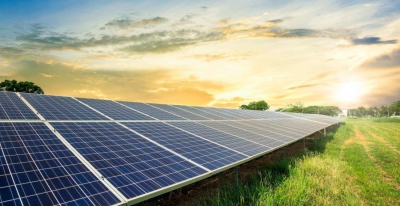









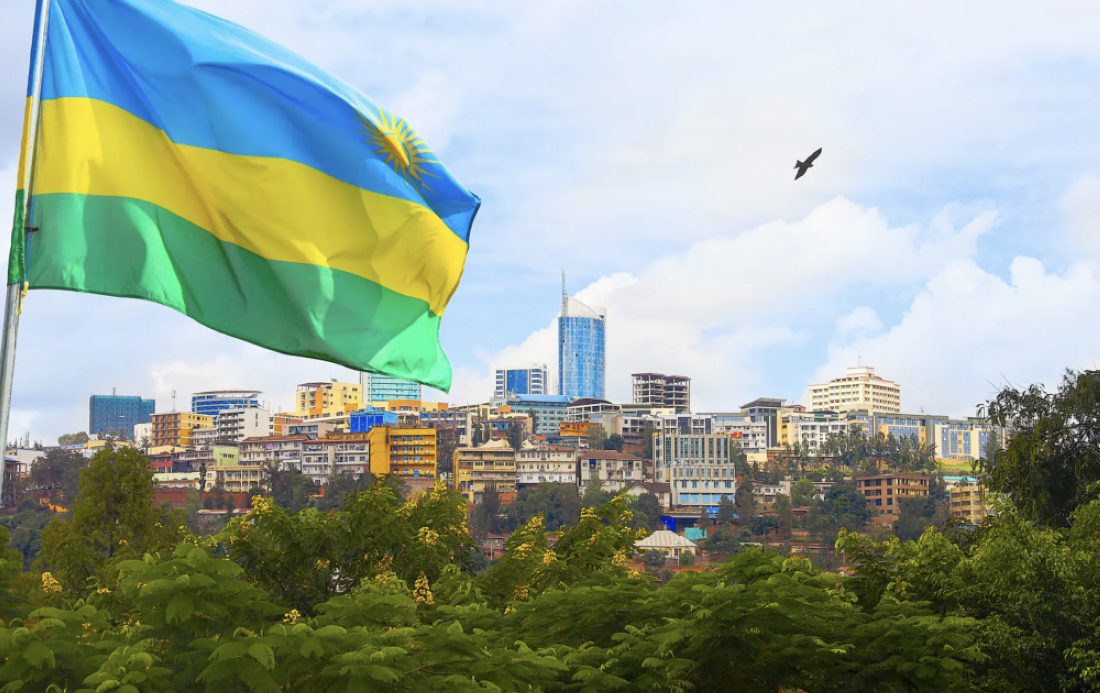


The African Development Bank (AfDB) has approved €173.84 million in funding to implement Rwanda’s Energy Sector Results-Based Financing Program (FBR II), aimed at modernizing the electricity grid, expanding access to clean energy, and strengthening institutional capacities.
The Asian Infrastructure Investment Bank (AIIB) will provide an additional €86.92 million, bringing the total cost of the program to €260.76 million. This is the Bank’s second results-based operation in Rwanda’s energy sector, following a $305 million program approved in September 2018. It highlights Rwanda’s preference for performance-based financing to address infrastructure gaps in the electricity sector.
The program aligns with Rwanda’s 2024–2029 Energy Sector Strategic Plan and aims to improve citizens’ quality of life, boost economic growth, and reduce poverty through targeted energy investments.
It focuses on achieving results in three key areas: modernizing and expanding electrical networks and systems; enhancing access to both on-grid and off-grid electricity and clean cooking technologies; and strengthening technical and institutional capacities.
The program will connect 200,000 households and 850 productive-use clients to the national grid, add 50,000 new off-grid connections, provide clean cooking devices to 100,000 households and 310 public institutions, and install street lighting along 200 kilometers of roads in Rwanda’s secondary cities.
Rwanda’s results-based energy sector financing program is a key deliverable of the Bank’s “High 5” operational priorities, particularly “Light up and power Africa” and “Improve the quality of life for the people of Africa.” It will also support the implementation of the “Mission 300” initiative promoted by the African Development Bank Group and the World Bank Group, which aims to connect 300 million people in Africa to electricity by 2030.