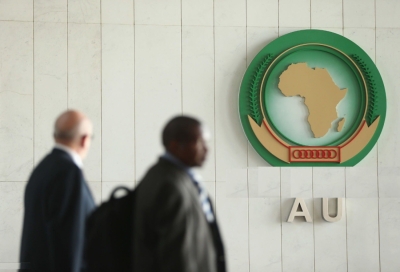











In September 2023, the G20 reached a historic milestone by granting full membership to the African Union (AU). This decision marks a turning point, symbolizing Africa's entry into the exclusive circle of global powers.
As the African Union attends its first G20 Summit in Rio de Janeiro from November 18 to 22, 2024, expectations are high. This summit is not only a symbolic step forward for the continent but also a critical moment to assert its ambitions in addressing global challenges.
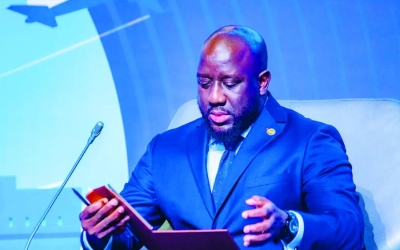
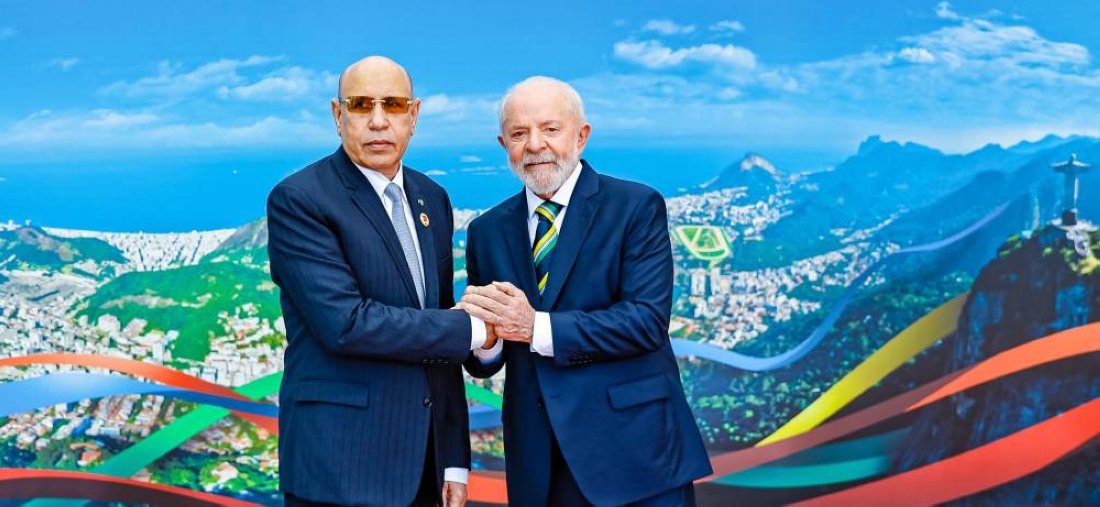
Since Monday, November 18, 2024, the G20—now expanded with the inclusion of the AU—has been meeting in Rio to tackle pressing global issues. Represented by its current chair, Mohamed Ould Ghazouani, and the Chairperson of its Commission, Moussa Faki Mahamat, the AU has a prominent platform to showcase its priorities. This marks a significant acknowledgment of its central role in global discussions after decades of being relegated to the sidelines of international diplomacy. The Rio summit thus provides a historic opportunity for the AU to amplify the voice of a continent with over 1.4 billion inhabitants.
This elevation to the global economic powerhouses signifies a pivotal shift in North-South relations. The AU aims to open a new chapter in global cooperation, where Africa's interests are more prominently considered in global decision-making. Its call for a renewed dynamic of mutually beneficial North-South partnerships reflects the urgency of addressing the economic, social, and environmental challenges facing the continent.
The summit's discussions center on several strategic themes for Africa. Key priorities include combating poverty, reforming global governance institutions, transitioning to clean energy, and implementing the Sustainable Development Goals (SDGs). These issues are especially critical for a continent where nearly 40% of the global population living in extreme poverty resides. A 2023 report co-published by the FAO, WFP, AU, and UNECA revealed that approximately 282 million Africans face undernourishment, a situation worsened by global food crises, including those triggered by the war in Ukraine.
The launch on Monday, November 18, of the "Global Alliance Against Hunger and Poverty" carries particular significance for Africa. Achieving food self-sufficiency has become a strategic priority for a continent increasingly burdened by unsustainable reliance on food imports. In this context, the AU emphasizes the need for transforming African agricultural systems, enhancing support for local producers, and diversifying investments.
Another critical focus of the summit is the energy transition, where Africa seeks to play a pivotal role. The continent holds vast reserves of strategic natural resources—such as coltan, lithium, and cobalt—essential for the global energy revolution, particularly in producing batteries for electric vehicles. However, Africa faces the challenge of being overly reliant on the export of raw materials, with minimal local processing, limiting its participation in global value chains.
On the second day of the summit, the AU will represent its member states in advocating for industrial diversification and a profound transformation of Africa's mining sector. The aim is to ensure that the continent benefits more significantly from its natural resources, not only through extraction but also through value-added processing. This paradigm shift requires strengthened cooperation with developed countries to support Africa's industrial policies and promote sustainable climate financing.
Expectations from Northern countries are high: they must fulfill their climate finance commitments, particularly to developing nations. So far, many of these promises have remained unfulfilled. Financing for the energy transition and sustainable development is now seen as an imperative. "The path forward is clear: the wealthy economies of the G20 must move beyond rhetoric and deliver sustainable, long-term climate financing and concessional loans to help Africa bridge its current funding gap," commented former Kenyan Prime Minister Raila Odinga, emphasizing the urgency of supporting the continent in its sustainable development journey.