






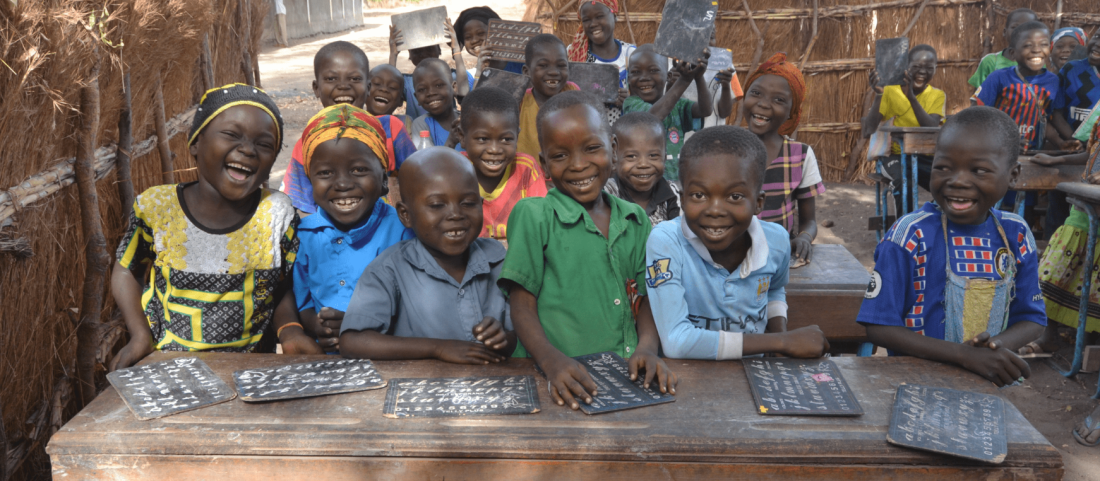


Chad is undertaking a major initiative to improve its education system. On Monday, November 16, the government officially launched the Basic Education Transformation Project (SMARTED) in N'Djamena, with a total budget of $173.152 million for the 2026–2030 period.
Implemented across the country's 23 provinces, the program aims to strengthen equitable access to inclusive, quality education through investments in school infrastructure, equipment, educational resources and teacher training.
Among the main planned achievements are the construction of 2,800 classrooms in 744 schools, as well as the installation of 744 boreholes to improve access to water in participating schools.
The project also provides for the distribution of 56,000 school desks, benches and chairs, along with the printing and distribution of 5.33 million textbooks and 76,200 teaching guides. In addition, 35,000 teachers will receive training to strengthen their skills and improve learning outcomes.
School meals represent another important component of the program. School canteens will be established to benefit 300,000 students each year, with the aim of supporting school attendance and promoting better learning conditions.
SMARTED is financed through joint contributions from the Chadian government and several international partners. These include the Islamic Development Bank (IsDB), the Arab Bank for Economic Development in Africa (BADEA), the Global Partnership for Education (GPE), the OPEC Fund for International Development, the Saudi Fund for Development and the World Food Programme (WFP).
The program comes at a particularly challenging time for Chad's public education system. It continues to face a shortage of infrastructure, a lack of qualified teachers, poor learning outcomes and significant regional disparities in access to education.
According to UNICEF, more than three million school-age children are not attending school in Chad. Population growth is placing additional pressure on educational institutions, whose capacity remains insufficient in several regions. The organization estimates that more than 9,000 classrooms would need to be built to meet demand.
The situation has also been worsened by the consequences of the war in Sudan, which began in April 2023. The influx of refugees and displaced people into Chad has considerably increased schooling needs, placing further strain on an already fragile system.
Faced with these challenges, Chadian authorities present SMARTED as an important means of improving access to schooling and strengthening the quality of education.
Minister of State for National Education, Bilingualism and Civic Promotion Mahamat-Ahmad Alhabo emphasized that the program should make “a significant contribution to addressing some of the challenges facing Chad's education system.”
Over the next five years, the challenge will be to translate the announced funding into concrete achievements in schools across the country's 23 provinces.