










In Côte d’Ivoire, beauty rituals are passed down from generation to generation.
Long before major beauty brands filled store shelves and the rise of “clean beauty,” African women were already using resources from their natural environment to care for their skin, hair and bodies. Shea butter, vegetable oils, clay, henna, fragrances and braids have accompanied generations of women, while carrying a social and cultural significance that goes far beyond aesthetics.
In Côte d’Ivoire, these practices have evolved with the times, but some continue to stand the test of time, according to Elle Afrique Francophone.
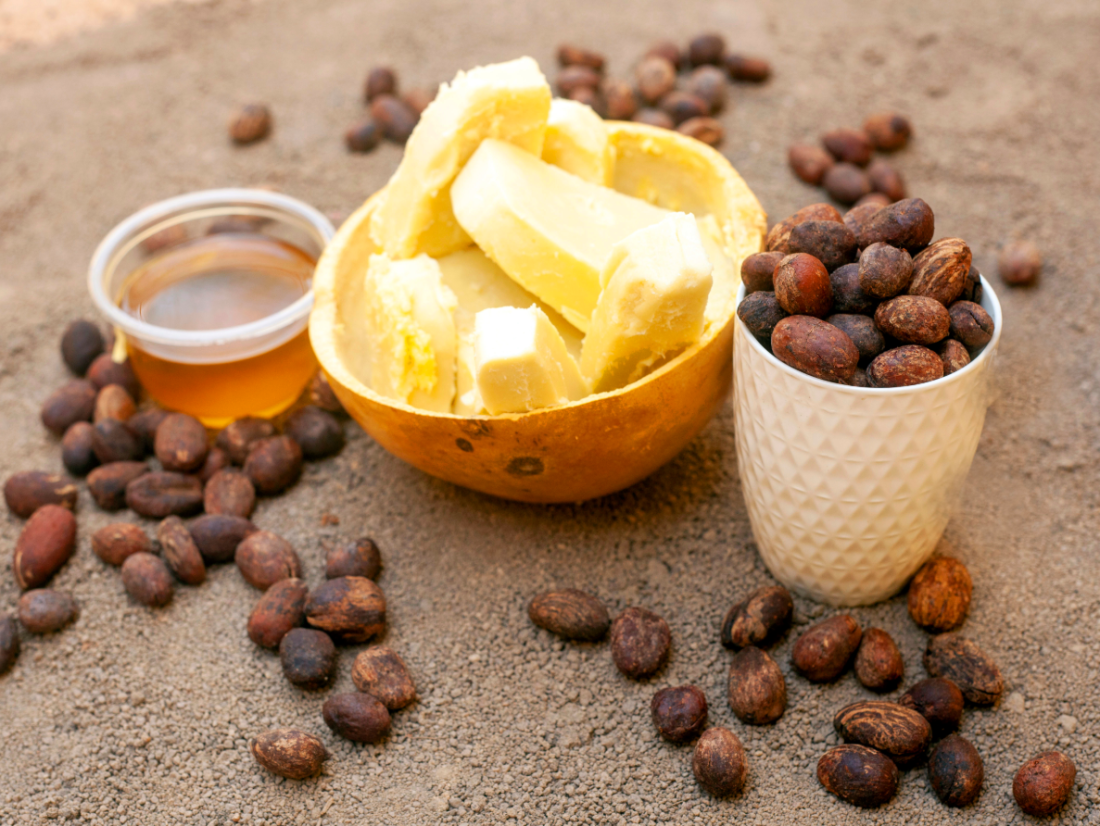
Shea Butter, a Heritage Passed Down Through Generations
In northern Côte d’Ivoire, as in several other parts of West Africa, shea butter has long played an important role in traditional beauty and skincare practices.
Extracted from shea nuts, it is traditionally produced using artisanal methods that rely heavily on women’s expertise. Crushing, roasting, grinding and kneading produce a rich butter that is used in particular to nourish the skin and care for the hair.
In some families, these practices are passed down almost naturally. A mother applies shea butter to her daughter’s hair before braiding it; years later, the daughter will repeat the same gestures with her own children.
Behind this everyday ritual lies much more than a cosmetic product: a family legacy and expertise passed down from generation to generation.
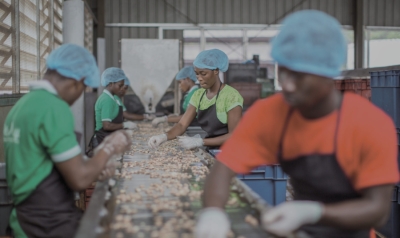
However, the international success of shea butter raises an essential question: how much value is created around African raw materials. As these ingredients now supply a global cosmetics industry, local processing, product formulation and the creation of African brands have become major challenges if the continent is to benefit more fully from its own resources.
Hair: Between Care and Cultural Transmission
In Côte d’Ivoire, hair has always held a special place in beauty practices. Braids, cornrows, protective hairstyles and treatments using vegetable oils or butters are all part of a body of knowledge widely passed down within families.
The ritual can begin in childhood. Detangling the hair, applying oils or butter, and then braiding it can become a genuine family ritual.
In neighborhoods across Abidjan, as well as in towns throughout the country, hair salons and informal styling spaces also remain important places for social interaction. People come not only to have their hair done, but also to talk, exchange ideas and share the latest trends.
Hairstyles thus become a form of language. They can accompany a ceremony, mark an important stage in life or simply express a personal aesthetic preference.
And while each country has its own traditions, the continent shares one fundamental idea: hair is both something to be cared for and a marker of cultural identity.
Facial Care: Between Traditional Recipes and New Trends
African black soap is also among the products associated with traditional African skincare. In Côte d’Ivoire and other parts of the continent, various preparations made from plant-based ingredients have long been used to cleanse the skin.
Today, these practices are enjoying renewed interest among a new generation of consumers seeking products perceived as more natural and more closely connected to traditional knowledge.
Clay, vegetable oils and butters are also making their way back into contemporary beauty routines, particularly through social media and African brands that are reinventing these ingredients in modern forms.
However, this revival does not mean that every traditional product is automatically suitable for every skin type. As with any cosmetic product, ingredients, product quality and individual tolerance remain essential considerations.
When Fragrance Becomes a Signature
African beauty is not limited to what can be seen. It is also expressed through scent.
In several West African societies, perfumes, scented oils and incense play an important role in everyday life and ceremonial practices. In Senegal, for example, thiouraye is a particularly well-known fragrance tradition.
In Côte d’Ivoire, colognes, scented oils, musks and artisanal preparations also form part of a rich olfactory culture that accompanies everyday life.
Fragrance can be associated with femininity, elegance, a ceremony or simply the pleasure of taking care of oneself.
This sensory dimension is a reminder that beauty rituals are not merely individual practices: they also contribute to shaping identity.
Henna, Clay and Pigments: Beauty as Cultural Expression
Long before modern makeup palettes, African societies had their own traditions of body decoration.
Henna, in particular, has played an important role for centuries in several regions of North Africa, the Sahel and West Africa. Used during weddings, celebrations and rites of passage, it combines aesthetics with symbolic meaning.
Natural pigments and clay have also been used in various African cultures to decorate the body or as part of certain ceremonies.
Today, these traditions are reappearing in the beauty practices of younger generations. Henna can now be found in nail art, body designs and beauty content shared on social media. Traditional ingredients are also being reimagined by entrepreneurs seeking to create a contemporary African cosmetics industry.
Tradition is not disappearing — it is simply taking on new forms.