










The Ethiopian government has identified tourism as one of the strategic pillars of its economy in a bid to strengthen the country's role in the rapidly expanding global tourism industry while safeguarding its long-term national interests, Prime Minister Abiy Ahmed has said.
In an interview with NBC Ethiopia, the Prime Minister described tourism as a central component of the country's national economic strategy, ranking it among Ethiopia's five priority sectors. According to him, the industry is a powerful engine for sustainable growth, job creation, investment, and structural economic transformation.
Abiy Ahmed stressed that the government's objective is to build a prosperous and competitive Ethiopia for future generations through a strategy based on economic diversification. While agriculture has dominated the national economy for decades, he noted that it is no longer sufficient on its own to support large-scale industrial transformation.
Against this backdrop, tourism has been identified as a catalyst capable of stimulating activity across multiple sectors of the economy. The Prime Minister pointed out that the global tourism industry generates approximately $12.6 trillion annually, with countries such as the United States, Spain, Thailand, and Egypt deriving substantial revenues from the sector.
He also highlighted the scale of international travel, citing major destinations including France, Mexico, Malaysia, and Morocco, which welcome millions of visitors each year. According to him, these figures demonstrate tourism's ability to generate significant revenue, create employment, and strengthen economic resilience.
Unlike traditional exports, tourism brings consumers directly into the country, generating local spending on goods, services, handicrafts, and cultural experiences. This directly benefits small businesses, artisans, and participants in the informal economy.
Beyond its economic contribution, tourism is also viewed as a driver of foreign direct investment (FDI). Many international visitors discover business opportunities during their stay and later return as investors.
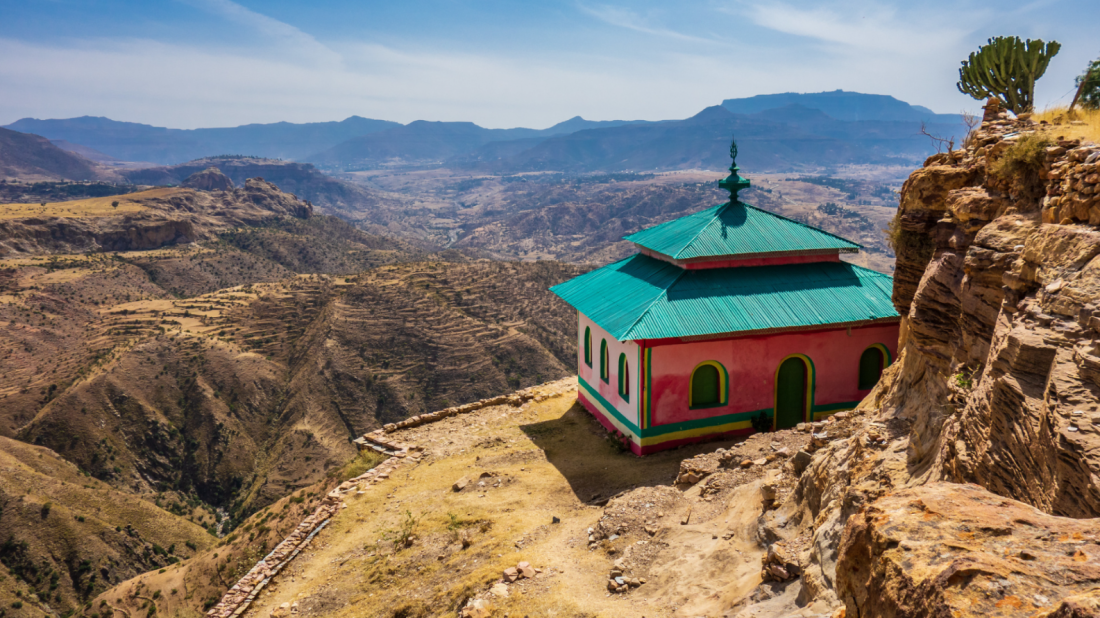
Revenue generated by the sector will also help finance the preservation of Ethiopia's historical heritage, support the development of ecotourism, and improve public infrastructure, the Prime Minister added.
Finally, tourism plays an important social role by strengthening national unity. Domestic travel enables citizens to better appreciate Ethiopia's cultural diversity, fostering greater social cohesion and a stronger sense of shared national identity.
The government believes this strategy will enable Ethiopia to strengthen its position in the global tourism economy while creating sustainable and inclusive economic opportunities.