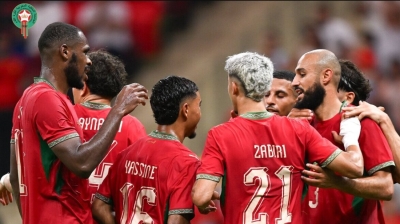








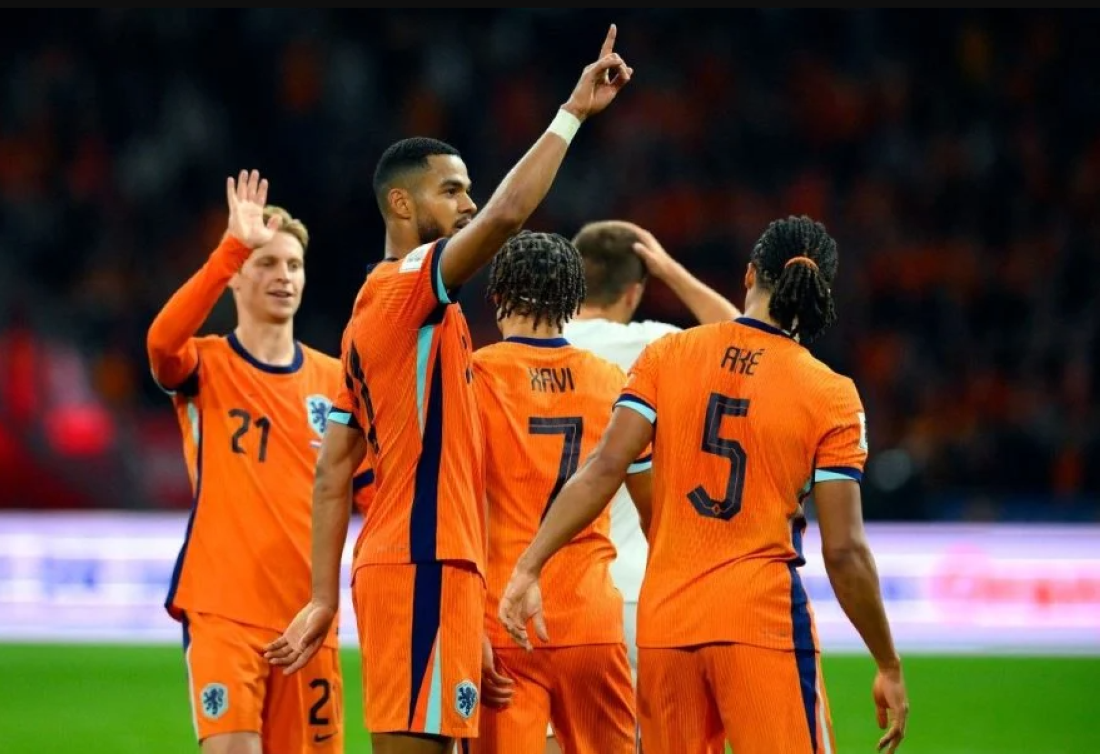


After an impressive group-stage campaign, Morocco is preparing for one of its biggest challenges at the 2026 FIFA World Cup. The Atlas Lions will face the Netherlands in the Round of 32 in Monterrey, in what promises to be one of the standout fixtures of the knockout stage.
After an impressive group-stage campaign, Morocco is preparing for one of its biggest challenges at the 2026 FIFA World Cup. The Atlas Lions will face the Netherlands in the Round of 32 in Monterrey, in what promises to be one of the standout fixtures of the knockout stage.
The Netherlands are among the most prestigious nations in world football. Three-time World Cup finalists, the Dutch remain one of the greatest teams never to have lifted the trophy. They finished runners-up to West Germany in 1974, Argentina in 1978 and Spain in 2010 after extra time, making them the nation with the most World Cup final appearances without ever becoming champions.
Beyond their results, the Dutch have left a lasting legacy through the famous "Total Football" philosophy, introduced in the 1970s under the influence of Johan Cruyff. Built on possession, fluid movement and positional versatility, this style has inspired generations of coaches and players around the world.
Since then, the Netherlands have consistently remained among football's elite. They reached the semi-finals in 1998, finished third in 2014 and advanced to the quarter-finals in 2022, regularly proving themselves as serious contenders whenever they qualify for the World Cup.
At the 2026 tournament, Ronald Koeman's side topped Group F with seven points. After an entertaining 2-2 draw against Japan, they produced an emphatic 5-1 victory over Sweden before defeating Tunisia 3-1, confirming their status as one of the tournament's strongest teams.
The Dutch squad combines experience, quality and attacking firepower. Captain Virgil van Dijk leads a solid defense, while Frenkie de Jong dictates the tempo in midfield. Up front, Cody Gakpo, Memphis Depay, Brian Brobbey and Donyell Malen provide pace, creativity and clinical finishing, making the Netherlands a constant attacking threat.
Morocco, however, has every reason to believe. The Atlas Lions enter the knockout stage full of confidence after an outstanding group-stage performance and will rely on the leadership of Achraf Hakimi, Sofyan Amrabat, Ismael Saibari and rising star Ayoub Bouaddi, along with a talented generation that has already demonstrated its ability to compete with the world's best teams.
This encounter also carries a unique emotional and cultural dimension. Morocco and the Netherlands share deep historical and human ties, with many Moroccan internationals having been born or raised in the Netherlands before choosing to represent the Atlas Lions at international level.
Thirty-two years after their first World Cup meeting, the two nations are set to renew their rivalry in what promises to be one of the most compelling matches of the Round of 32. Between Dutch tradition and Moroccan ambition, all the ingredients are in place for a memorable World Cup showdown.