








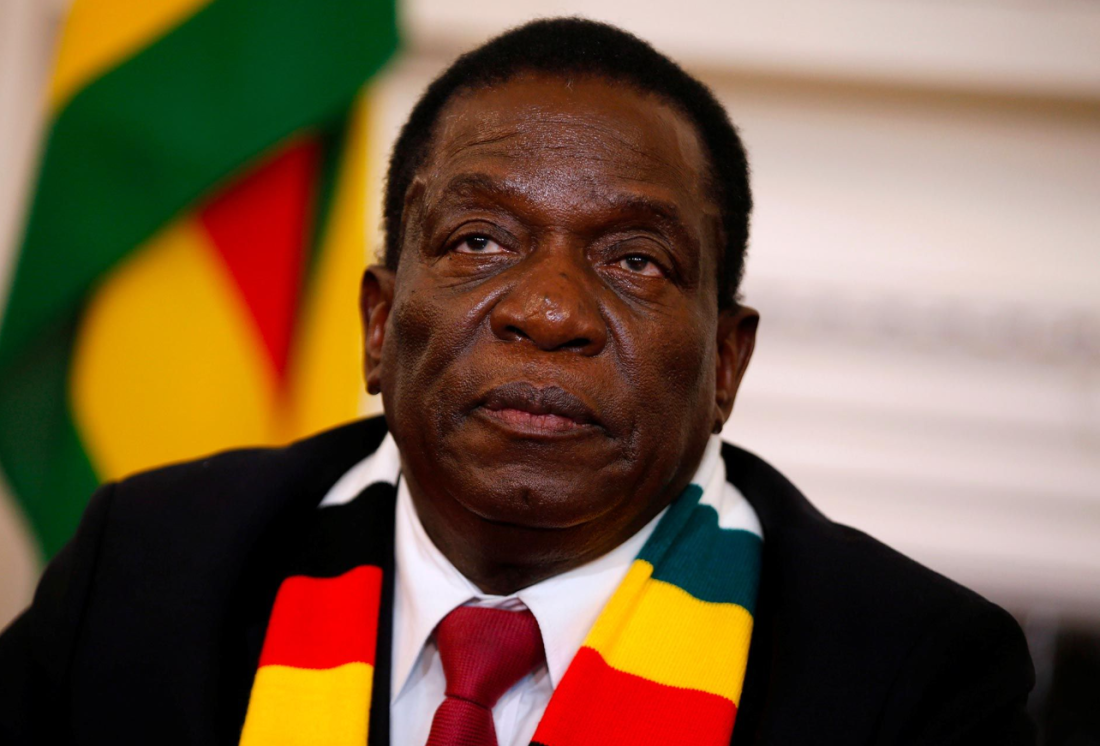


Zimbabwe has approved a bill that would allow President Emmerson Mnangagwa (83) to extend his stay in power until at least 2030.
Mnangagwa was due to leave office in 2028 after completing two five-year terms, but the proposed legislation would amend the Constitution to extend the presidential term from five to seven years.
Other proposed amendments include extending the term of Members of Parliament from five to seven years, electing the president through Parliament rather than by direct popular vote, and granting the president the authority to appoint ten additional senators, increasing the total number of Senate seats to 90.
Justice Minister Ziyambi Ziyambi stated that public consultations will be held before the bill is submitted to Parliament for debate, where both chambers are dominated by the ruling party, ZANU-PF.
Speaking at a press conference following a Cabinet meeting in the capital, Harare, the minister said the bill would be forwarded to the Speaker of Parliament and published in the Government Gazette before being considered by lawmakers.
For his part, Information Minister Jenfan Muswere explained that the purpose of the reform is to reduce disruptions caused by frequent elections and to enhance policy continuity, political stability, and the effectiveness of state institutions.
Mnangagwa came to power in 2017 following a military coup that ousted Robert Mugabe. He won a presidential election the following year and secured a second term in 2023 in a vote whose results were contested.
Thirteen years ago, Zimbabweans overwhelmingly approved a new Constitution in a referendum that introduced presidential term limits, at a time when Mugabe—who had ruled the country since its independence in 1980—appeared firmly entrenched in power.