










Rabat, December 21, 2025 — As the Africa Cup of Nations (AFCON) Morocco 2025 gets underway, the General Directorate of National Security (DGSN) has unveiled a robust, multilayered, and forward-looking security framework designed to safeguard the tournament through January 18. The strategy reflects Morocco’s determination to deliver not only a world-class sporting event, but also an environment defined by safety, order, and public confidence for athletes, officials, and the millions of supporters expected nationwide.
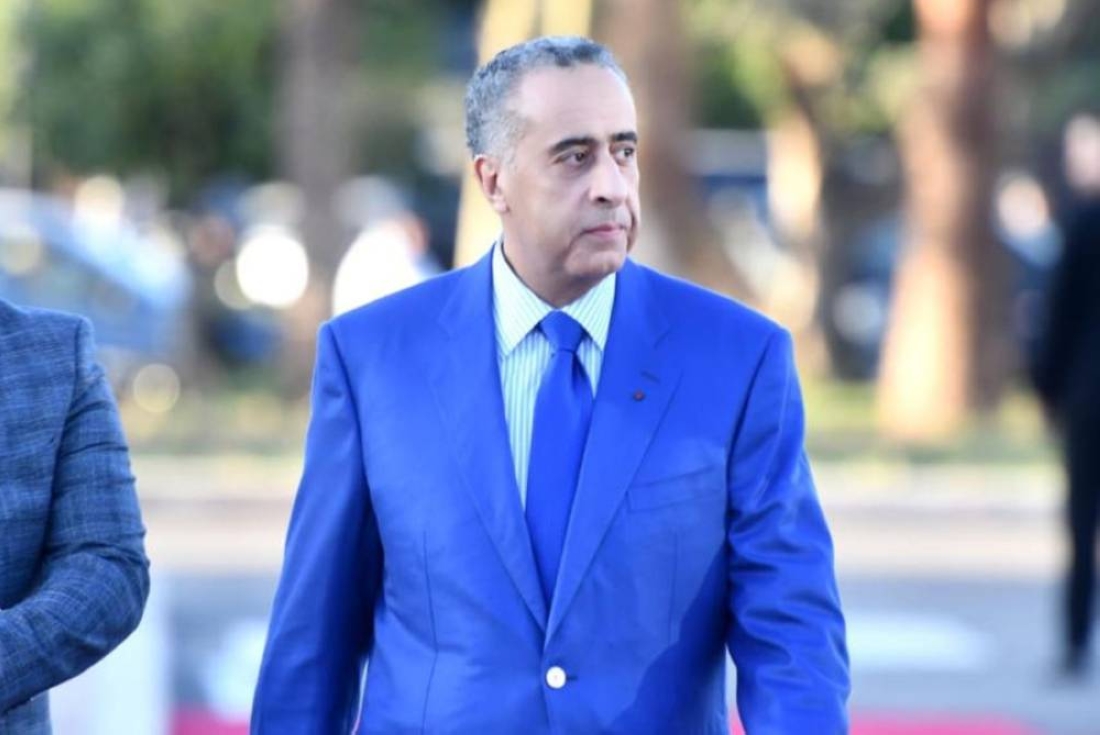
In this context, the Director General of National Security and Territorial Surveillance conducted a comprehensive field inspection on Sunday afternoon at the Prince Moulay Abdellah Sports Complex in Rabat, accompanied by the Wali of Security of the capital and senior central security officials. The visit focused on assessing the security and safety arrangements for the opening fixture between Morocco and the Union of the Comoros, while also reviewing broader measures aimed at ensuring smooth crowd movement, protecting sports infrastructure, and preserving the integrity of competition.
During the inspection, all spectator areas and facilities were carefully examined. Detailed briefings were delivered on the operation of the central command and coordination rooms, linked to a high-performance surveillance system capable of real-time monitoring across the stadium. A fully equipped police station embedded within the venue has likewise been established to guarantee firm and impartial enforcement of the law, including regulations specific to sports and event security.
At the heart of this security architecture lies the African Police Cooperation Center, created specifically to accompany AFCON 2025 from a security perspective. The center brings together representatives of security services from participating nations, alongside delegates from FIFA, the Confederation of African Football (CAF), Interpol, and security officials from Qatar, Portugal, and Spain. This unprecedented platform underscores Morocco’s commitment to international coordination and intelligence-sharing in the management of major sporting events.
In parallel, the DGSN has developed bespoke security protocols for each individual match, calibrated according to expected attendance levels and the nature of the encounter. Comprehensive security coverage has also been extended to fan zones and public gathering areas across host cities, ensuring full compliance with the highest international standards of crowd management and public safety.
As part of a long-term capacity-building approach, Morocco has undertaken a nationwide upgrade of its sports security units, reinforcing human resources, enhancing logistical capabilities, and introducing a distinctive visual identity to ensure immediate recognition on the ground. Border police units have also been strengthened with additional personnel to manage the anticipated influx of international supporters, while actively contributing to the training and supervision of civilian stewards responsible for internal stadium security.
Through this ambitious and meticulously coordinated deployment, the General Directorate of National Security aims to position AFCON 2025 as a benchmark for security excellence on the African continent and beyond. The overarching objective is clear: to deliver a safe, seamless, and welcoming tournament that reflects Morocco’s institutional strength, its culture of cooperation, and its growing stature on the global sporting stage.