









The International Monetary Fund (IMF) approved on Monday a $425 million economic and financial program for Guinea for the 2026–2029 period. The agreement aims to support economic reforms, strengthen public financial management and consolidate the country’s fiscal and monetary balances, the Guinean government announced.
This approval follows a preliminary agreement reached on August 12 between the financial institution and the Guinean authorities. At the time, the announced funding amounted to $439 million. The amount ultimately approved is therefore $14 million below initial projections. The program is supported by the Extended Credit Facility (ECF) and the Extended Fund Facility (EFF).
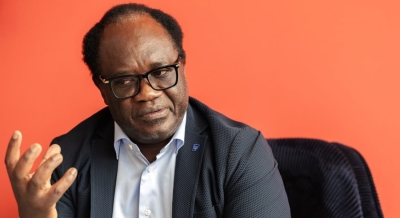
Prime Minister Amadou Oury Bah welcomed the conclusion of negotiations that he described as “tough.” He considers the agreement a positive signal for the national economy, emphasizing its importance in strengthening the country’s financial credibility among international partners and investors.
According to the head of government, the IMF’s approval also provides leverage to facilitate access to financing on more favorable terms. He notably emphasized the contribution of the institution’s technical expertise to improving economic policymaking.
For Amadou Oury Bah, IMF support should not be limited to securing additional financial resources. It should also enable Guinea to benefit from tools, skills and expertise capable of improving economic management and performance.
The agreement comes as Conakry seeks to accelerate the structural transformation of its economy. The development of the massive Simandou iron ore deposit and the implementation of the Simandou 2040 socioeconomic program are among the main pillars of this strategy.
The partnership with the IMF is expected to help increase domestic revenue mobilization, strengthen fiscal transparency and improve public financial management. These are all areas considered essential to supporting the country’s development ambitions.
However, the Prime Minister acknowledged that implementing the program will pose a challenge for the Guinean administration. It will notably need to strengthen its institutional capacity, management methods and economic governance skills.
With substantial mineral resources, particularly bauxite and iron ore, Guinea is now seeking to better translate its natural potential into economic wealth and tangible social benefits for its population.