








Côte d’Ivoire is setting new ambitions in the mining, oil, and energy sectors. Minister of Mines, Petroleum and Energy Mamadou Sangafowa-Coulibaly presented the Integrated Mineral Resources and Energy Policy (PIRME) on Monday, November 9, 2026. This strategy aims to double the contribution of the extractive and energy industries to national wealth over the next 15 years.
Driven by President Alassane Ouattara's vision, this policy is based on five major priorities: promoting coexistence between extractive activities and agriculture, ensuring equitable revenue sharing, protecting the environment, developing synergies between different sectors, and strengthening transparency in resource management.
Its implementation is structured around four pillars: sustainability and inclusion, technological innovation, economic integration, and governance and transparency.
To achieve these ambitions, the government plans five reform programs and major structural projects requiring a total investment of 38 trillion CFA francs. The private sector is expected to provide 88% of the funding, compared with 12% from the public sector.
Several major initiatives are included in this roadmap. These include critical mineral processing corridors supported by the African Development Bank (AfDB), the West African Economic and Monetary Union (WAEMU) phosphate hub, the strengthening of electricity interconnections between Côte d’Ivoire, Liberia, Sierra Leone, and Guinea, as well as the African Atlantic Gas Pipeline project linking Nigeria to Morocco.
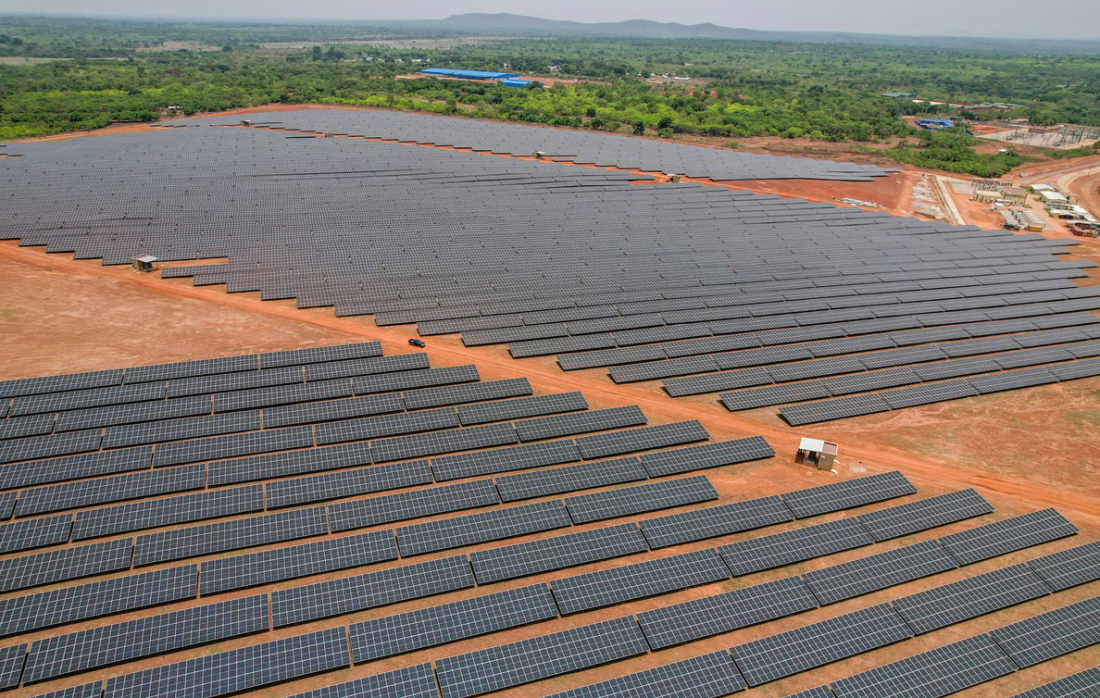
In the energy sector, Abidjan aims to strengthen its energy independence and consolidate its position as a regional supplier, with the goal of becoming West Africa's leading energy exporter by 2040.
Ambitions are equally high in the extractive industries. Côte d’Ivoire intends to become one of Africa's top five oil producers by 2035 and aims to rank first on the continent in gold production by the same deadline.
PIRME also places significant emphasis on local content. By 2035, the country aims to increase to at least 95% the share of goods and services required by the extractive industry that are produced locally, as well as the proportion of nationals employed in industrial mines and on oil platforms.
At the institutional level, independent regulatory authorities are expected to be gradually established in the mining and hydrocarbon sectors. State-owned companies PETROCI and SODEMI are also undergoing reforms aimed at transforming them into internationally competitive holding companies and organizations capable of developing national champions. The business model of CI-ÉNERGIES is also under review.
Reaffirming his commitment to implementing this policy, Mamadou Sangafowa-Coulibaly called on Ivorian entrepreneurs to invest in the opportunities offered by the mining and energy sectors. He also invited technical and financial partners, as well as the media, to support this new strategy.