







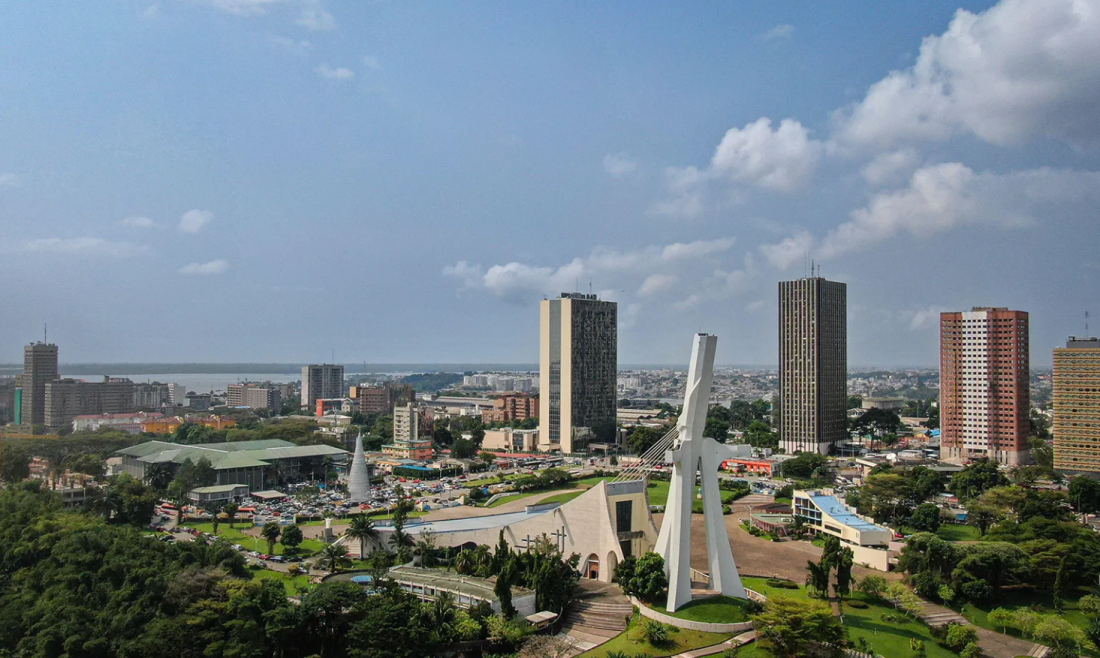


Rapid urbanization in sub-Saharan Africa could become a powerful driver of economic growth and job creation, provided it is supported by targeted investments and better urban planning. This is one of the main conclusions of a new World Bank Group report, published on October 29, 2026, in Washington.
Entitled “Sub-Saharan Africa's Urban Awakening: Catalyzing Economic Growth and Job Creation,” the report projects an additional 748 million urban residents in the region between 2025 and 2050. According to the institution, this demographic growth represents a strategic opportunity to boost productivity and provide young people with access to more and better-quality jobs.
For the World Bank, cities already enjoy a significant economic advantage. At equivalent levels of education, urban households have considerably higher expenditure per adult than rural households, reflecting, in particular, their better access to employment opportunities and economic activities.
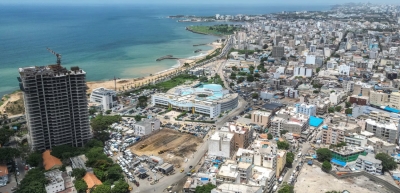
The report emphasizes that most of the infrastructure needed to accommodate future urban populations has yet to be built. Decisions made today regarding urban development, transportation, and the location of economic activities will therefore have lasting consequences for the productivity and attractiveness of African cities.
The World Bank therefore recommends differentiated policies based on the characteristics of each territory. In major urban areas, priorities should focus on creating accessible economic hubs, developing transportation infrastructure, and building affordable housing near employment centers. Improving regulations is also presented as a way to facilitate business establishment and bring workers closer to economic opportunities.
In urban outskirts, where population growth is often rapid, the institution recommends anticipating city expansion by developing road networks and reserving space for essential facilities and infrastructure.
The report also draws attention to the region's approximately 15,000 intermediate cities, with populations ranging from 5,000 to 50,000 inhabitants. Often overlooked in investment strategies, these cities could contribute more significantly to economic diversification and job creation.
For these localities, the World Bank recommends prioritizing investments in areas with economic and geographical advantages, particularly those located along transportation corridors or near dynamic markets.
In cities with strong potential, appropriate infrastructure and better planning could stimulate productive activities. For those offering fewer economic opportunities, investments in education and healthcare would help strengthen people's skills and improve their access to labor markets.
Beyond infrastructure, the success of this transformation will also depend on the ability of local authorities to plan and sustainably finance urban development. The World Bank emphasizes the need to strengthen municipal institutions, improve funding predictability, and reinforce accountability mechanisms.
Among the proposed measures is the use of digital technologies to modernize property tax systems and increase local government revenues. Better resource mobilization could improve their creditworthiness and facilitate access to private investment, particularly through public-private partnerships.
According to Mark Roberts, Lead Urban Economist at the World Bank and lead author of the report, Africa's urban transformation will not fully deliver its benefits without strong institutions and adequate financial resources.
Through these recommendations, the institution calls on African governments to anticipate urban changes starting now. The challenge is to turn city expansion into a sustainable driver of productivity, investment, and improved living conditions, rather than an additional source of pressure on infrastructure and public services.