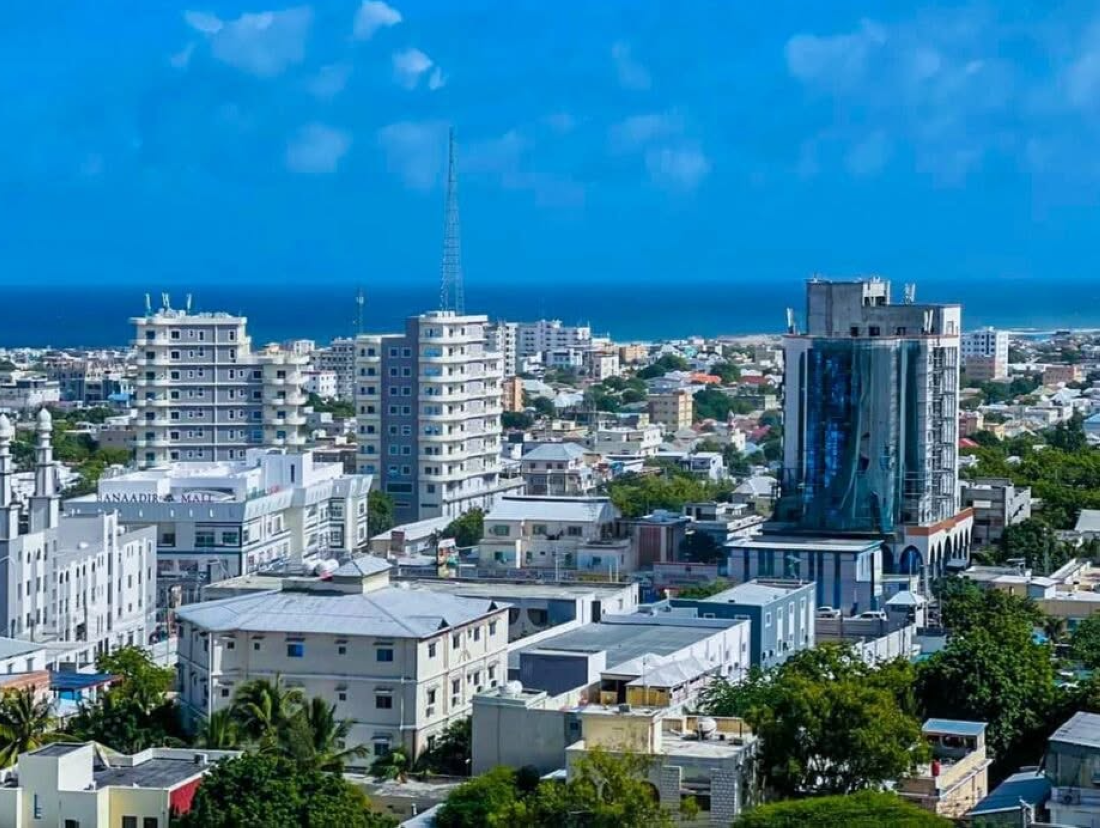
Somalia’s economic growth is expected to slow to 2.3% in 2026, while inflation could reach 6.5%, according to the latest projections from the International Monetary Fund (IMF). Declining foreign aid, climate shocks, and the repercussions of tensions in the Middle East are among the main factors weighing on the country’s outlook.
Somalia’s economic outlook is deteriorating. In its latest forecasts, the International Monetary Fund expects gross domestic product (GDP) to grow by just 2.3% in 2026, below the 2.6% previously projected by the Central Bank of Somalia.
This revision reflects the challenges that the Somali economy continues to face in an environment marked by domestic constraints and international uncertainties. Declining foreign aid, climate-related disruptions, and disturbances linked to the conflict in the Middle East are expected to hamper economic activity.
Inflation Is Rising Again
Another worrying sign is the trend in prices. After standing at 3.7% in 2025, inflation is expected to climb to 6.5% in 2026, according to the IMF.
This acceleration is expected to be driven in particular by prolonged drought and disruptions to global trade, which could intensify pressure on supplies and prices of essential goods.
In a country particularly exposed to climate hazards and supply difficulties, this rise in prices risks making everyday life even more difficult for households, especially the most vulnerable.
A Recovery Expected from 2027
Despite this less favorable short-term outlook, the IMF forecasts a gradual improvement in economic conditions. Somalia’s economic growth could rise to 2.7% in 2027 before converging toward a rate of 4% over the medium term.
However, this trajectory remains dependent on developments in economic, climatic, and geopolitical conditions, as well as the country’s ability to strengthen its economic fundamentals.
Budget Deficit Under Scrutiny
In terms of public finances, the overall budget deficit is expected to account for 0.9% of GDP in 2026 before declining to 0.5% in 2027.
This projected trend suggests a gradual improvement in the fiscal balance. However, it comes at a time when slowing economic activity, social needs, and a potential decline in external financing are complicating the economic outlook.
With slowing growth, accelerating inflation, and vulnerability to external shocks, Somalia enters 2026 in a challenging economic environment. The recovery expected from 2027 will depend in particular on how these factors evolve and on the resilience of the national economy.