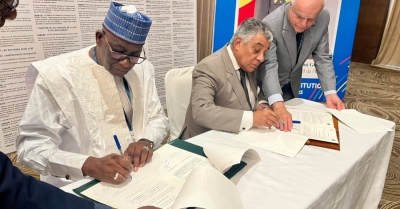











Côte d’Ivoire and Mali have taken a new step in the delimitation of their shared border. The two countries have adopted the final border line and approved the draft delimitation treaty, according to a statement issued by the Ivorian government on Wednesday, August 26.
This progress follows the work of the Joint Technical Commission responsible for marking the border, which met from August 21 to 25 in Bamako. Ivorian and Malian experts also approved the basic framework that will serve as a reference for upcoming demarcation operations and the installation of border markers.
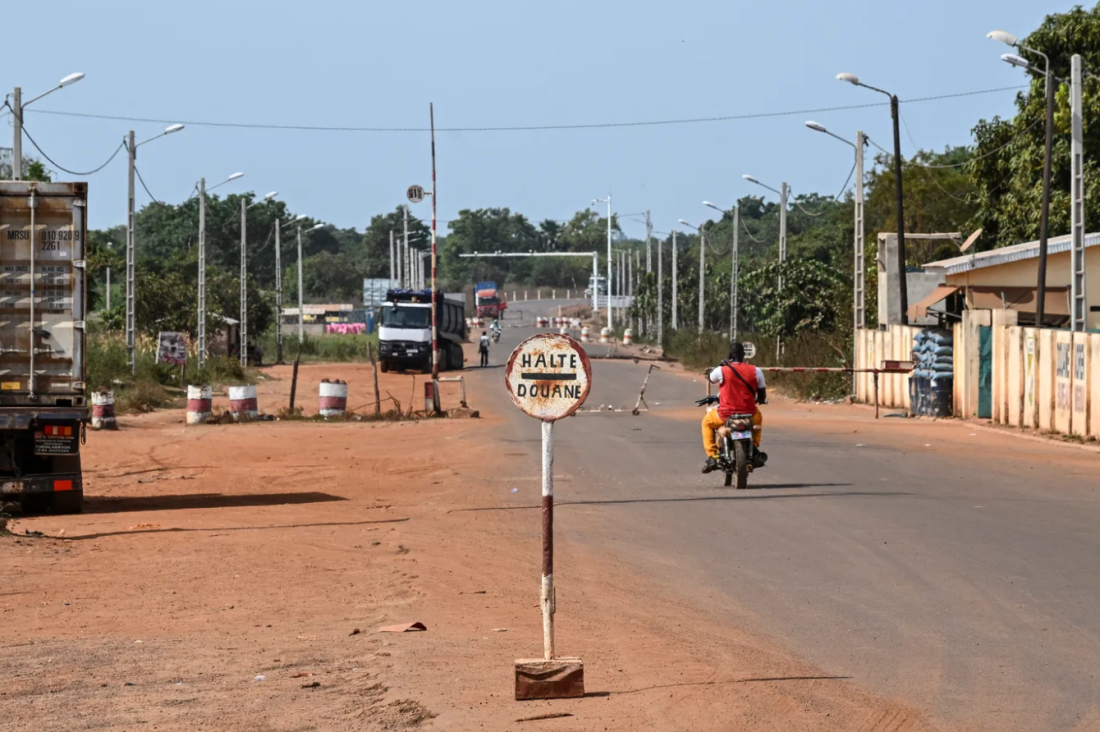
This step follows a technical reconnaissance mission conducted in April 2026 in the areas of Pogo, on the Ivorian side, and Zégoua, on the Malian side. It aims to clarify and physically mark a border, some sections of which remain subject to differing interpretations.
Beyond Border Markers, Issues Affecting Local Communities
Border delimitation is not simply about drawing a line between the two states. In border areas, issues related to rural land, transhumance, mobility, and coexistence between farmers and herders are major concerns.
A better-defined border could therefore help prevent tensions related to access to land and resources, while facilitating movement and cooperation between communities living on both sides.
For Abidjan and Bamako, the process should also help strengthen border security, consolidate stability in border areas, and improve their coordinated management.
“Côte d’Ivoire and Mali are thus moving forward together toward borders that are better defined, better managed, and more effectively serve peace, integration, and the development of border communities,” the Ivorian government said.
A Treaty Expected Before the End of 2026
Following the adoption of the border line and approval of the draft treaty, the next step will be to officially sign the delimitation treaty and implement the basic framework agreed upon by both parties.
Ivorian authorities indicate that these operations should begin before the end of 2026, paving the way for the gradual physical demarcation of the shared border.
The agreement between Abidjan and Bamako therefore represents an important step in strengthening their bilateral relations, as well as in the pursuit of more peaceful and coordinated management of border areas.