










The United Nations has once again sounded the alarm over the humanitarian situation in East Africa.
According to the United Nations Office for the Coordination of Humanitarian Affairs (OCHA), 48.5 million people could require humanitarian assistance in 2026 due to the combined impact of armed conflicts, population displacement, climate-related disasters, disease outbreaks, and worsening food insecurity.
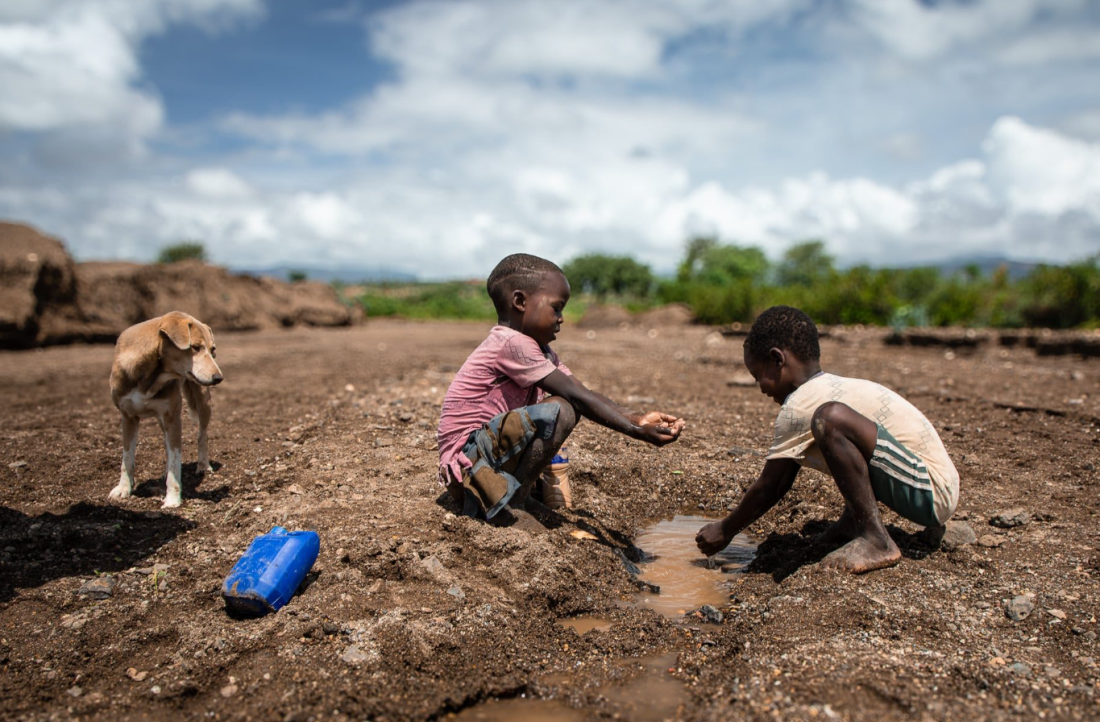
In its latest report, OCHA states that the humanitarian crisis deteriorated significantly during the second quarter of the year. Nearly 40.5 million people are now facing severe hunger, an increase of 1.6 million compared with the previous quarter.
The UN agency notes that the most significant deterioration has been recorded in South Sudan, Kenya, Sudan, and Tanzania. The worsening situation is driven by ongoing conflicts, extreme weather events, and the economic repercussions of tensions in the Middle East, which have fueled soaring fuel, transport, and food prices while disrupting supply chains.
The forced displacement crisis is also intensifying. The number of refugees in the region has increased from 5.9 million to 6 million, mainly due to new arrivals in South Sudan, Uganda, and Kenya. In Burundi, severe weather forced nearly 13,000 people to flee their homes.
On the health front, OCHA warns of a high risk of regional spread of the Ebola outbreak, which remains active in the Democratic Republic of the Congo (DRC).
"Although the Ebola outbreak remains concentrated in the DRC, the risk of regional spread remains high," the organization said in its latest report.
Meanwhile, several other disease outbreaks are expanding. Cholera cases more than doubled during the second quarter, reaching 12,400 cases, while 457 outbreaks of African swine fever were recorded in areas affected by population displacement and flooding.
In the face of these overlapping crises, OCHA is calling on the international community to rapidly strengthen humanitarian support to prevent an even more severe deterioration of the situation in a region where humanitarian needs continue to grow.