










In 2025, the Kingdom becomes the most industrialized country on the continent, according to the AfDB, confirming the rise of a model built on investment, trust, and constructive South-South cooperation.
Morocco has reached a historic milestone. According to a report by the African Development Bank (AfDB), the Kingdom has become Africa’s most industrialized country in 2025, overtaking South Africa. This major development confirms the rise of an economic model built over more than two decades on industrial strategy, infrastructure modernization, and a carefully managed opening to global markets.
This achievement bears the mark of the vision driven by HM King Mohammed VI, who made industrialization a strategic lever for economic sovereignty, continental influence, and South-South cooperation. Today, the Kingdom is reaping the benefits of massive investments in infrastructure, logistics, telecommunications, and integrated industrial ecosystems. These choices have enabled Morocco to move into a new economic dimension and establish itself as a key platform linking Europe, Africa, and the Mediterranean basin.
The AfDB report highlights several key drivers behind this rise: growing public and foreign investment, the rapid expansion of industrial zones, improved connectivity, and the modernization of logistics infrastructure. Tanger Med Port, now Africa’s leading port and a major global trade hub, symbolizes this deep yet discreet transformation that is repositioning the Kingdom within international value chains.
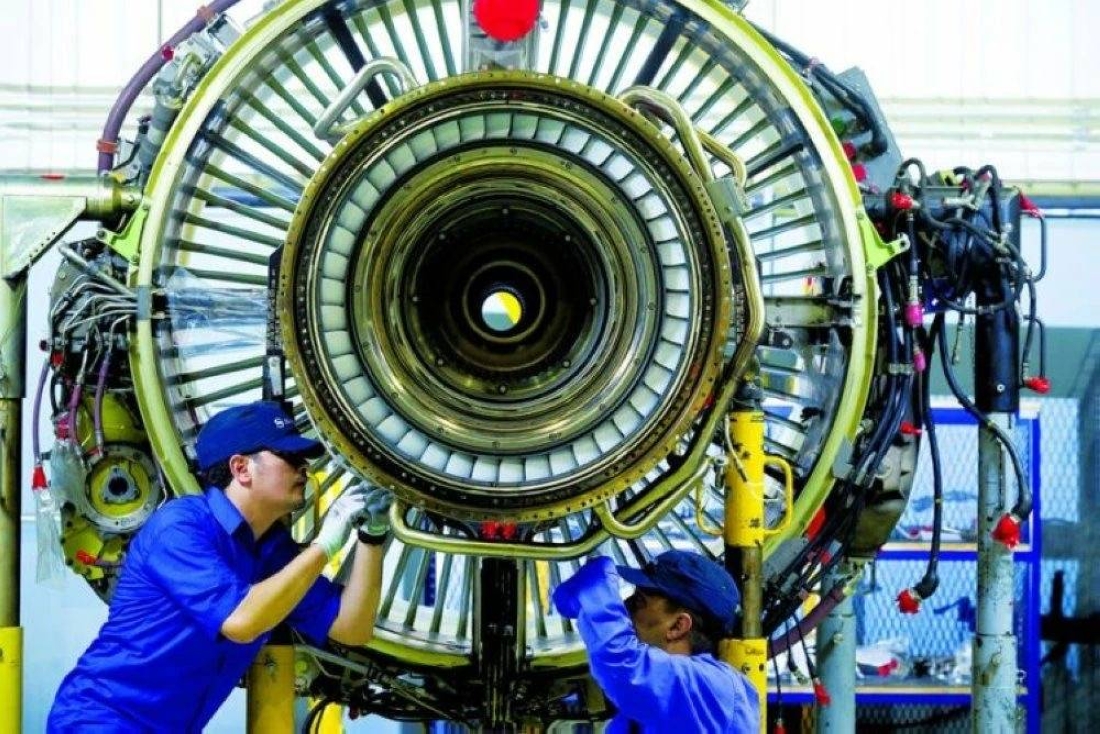
Morocco’s industrial base no longer relies solely on phosphates or the automotive sector. The Kingdom has gradually built a diversified industrial fabric integrating high value-added sectors such as aerospace, electronics, and new technology industries. This diversification reflects Morocco’s ability to anticipate global economic shifts and attract major international companies.
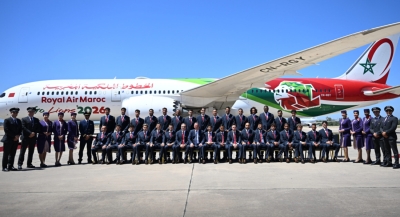
The automotive industry nevertheless remains one of the clearest symbols of this success. Morocco has become the leading car manufacturer on the African continent, exporting massively to Europe while attracting the world’s largest equipment suppliers. This momentum not only strengthens the Kingdom’s competitiveness but also contributes to repositioning Africa within the global industrial economy.
Beyond the figures, the Moroccan model stands out through a philosophy of cooperation based on the sharing of expertise and mutual trust with African countries. The Kingdom is not advancing alone. It also seeks to pull the continent upward through concrete partnerships, cross-investments, and a constructive vision of South-South cooperation. This approach fully reflects the vision promoted by HM King Mohammed VI, whose famous statement still resonates across Africa: “Africa must trust Africa.”
This strategy has enabled Morocco to strengthen its economic presence in several African regions, particularly in the banking, industrial, energy, and logistics sectors. The Kingdom now appears as a credible player in continental development, capable of combining economic competitiveness with strategic solidarity.
The AfDB report nevertheless underlines that significant challenges remain. Territorial and social disparities persist, particularly between areas closely connected to major industrial hubs and regions still on the margins of this dynamic. Employment also remains a central issue, as the challenge now lies in transforming this industrial success into more inclusive growth.