








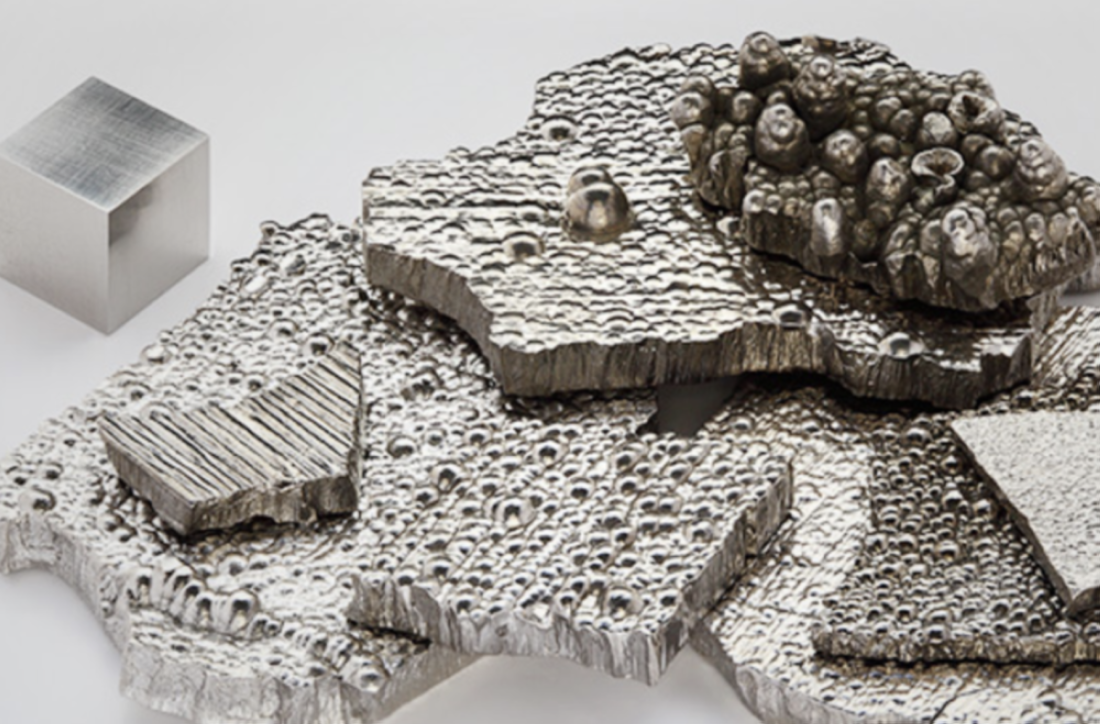


Despite a recent decline in prices due to an oversupplied market, the future of lithium appears promising. African production could quintuple by 2030, representing a 400% increase.
According to the International Energy Agency (IEA) in its World Energy Outlook 2024 report, Africa’s lithium future hinges on the realization of major mining projects, particularly in Zimbabwe and Nigeria. The IEA estimates that Africa's lithium production will reach 53,000 tons by 2030 in a baseline scenario, with a potential peak of 70,000 tons in the most optimistic projections. Currently dominated by Zimbabwe, which exports around 9,000 tons of lithium annually as hard rock ore concentrates, the industry could see the emergence of other major players. Promising projects have been identified in Nigeria, Ethiopia, Mali, Namibia, as well as in the Democratic Republic of Congo and Ghana.
However, despite growing interest, industrial-scale lithium exploitation remains in its infancy on the continent. For now, Zimbabwe is the sole industrial producer, but delays have been reported in several other African projects. Data from Ecofin Pro shows progress in countries such as Mali and Ghana, though their contributions remain uncertain at this stage.
The trajectory of lithium prices highlights the challenges tied to this growth. In 2022, a price boom saw lithium carbonate and hydroxide soar to over $70,000 per ton, driven by anticipated global demand. However, this trend reversed in 2024, with prices plummeting to around $11,000 per ton due to a global production surplus (194,000 tons against a demand of 165,000 tons).
Despite this volatility, medium-term prospects remain favorable. The energy transition is expected to drive lithium demand, especially for batteries used in clean energy technologies. The IEA projects global lithium consumption to reach 616,000 tons by 2030, a dramatic increase from the 92,000 tons consumed in 2023. This surge, coupled with forecasts of shortages as early as 2025 by Benchmark Mineral Intelligence, could lead to a sustained price recovery.
Intense Global Competition
For African nations, the challenge is not just to increase production but to meet development timelines to capture market share against formidable competitors. Australia, China, and Chile are expected to remain the top three lithium producers by the end of the decade. These giants possess mature infrastructure and proven expertise, enabling them to respond swiftly to rising demand.
However, Africa holds untapped potential that could disrupt the global landscape. New discoveries, foreign investments, and better supply chain structuring will be key to turning this opportunity into an economic growth engine.
As the world accelerates its energy transition, lithium is emerging as a cornerstone resource. For Africa, the time to act is now: this decade could be pivotal in transforming its mining industry and securing its place in global value chains.